


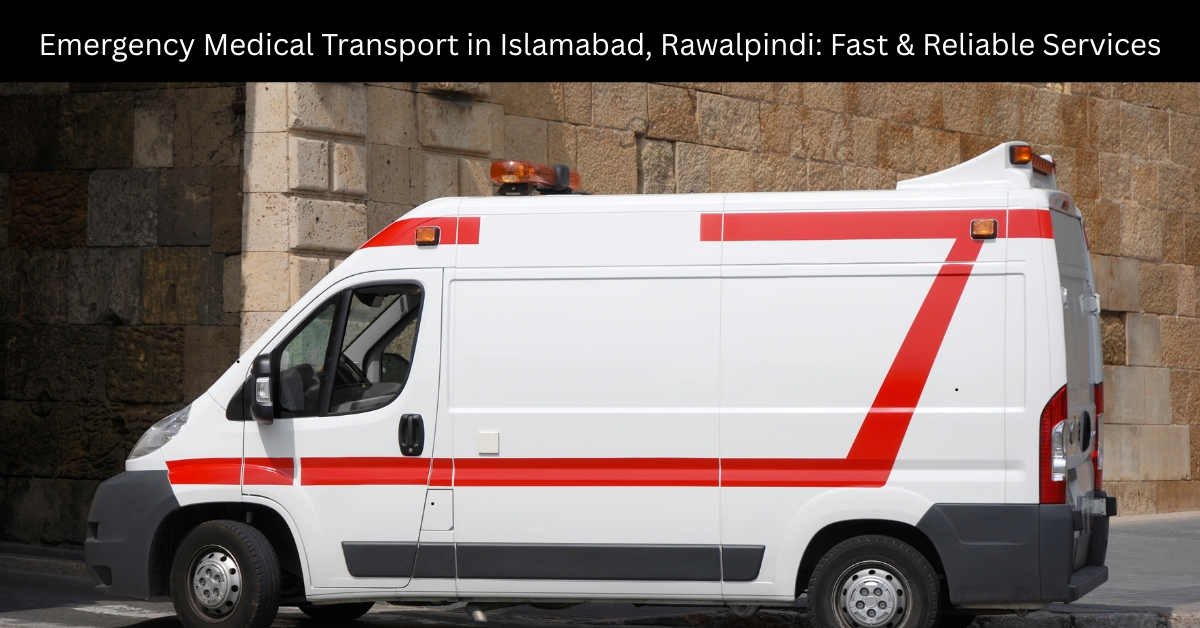
Emergency medical transport services in Islamabad and Rawalpindi provide life-saving healthcare access across the twin cities and surrounding areas including Bani Gala, DHA, Bahria Town, and Tarnol. This comprehensive guide covers essential information about available services, response times, coverage areas, and costs to help residents make informed decisions during medical emergencies.
The region offers multiple emergency transport options ranging from government-funded services like Rescue 1122 to private ambulance providers, each equipped with Basic Life Support (BLS) or Advanced Life Support (ALS) capabilities. Response times vary from 8-15 minutes in urban areas to 20-30 minutes in semi-urban locations, with modern ambulances featuring state-of-the-art medical equipment and trained paramedics.
Key service providers include Rescue 1122 (dial 1122), Edhi Foundation (115), and Pakistan Red Crescent, offering comprehensive coverage with strategic station placements throughout both cities. The article provides practical guidance on choosing appropriate services, understanding costs, preparing for emergencies, and leveraging technology to ensure optimal care during critical moments.
When medical emergencies strike, every second counts. In the twin cities of Islamabad and Rawalpindi, having access to fast, reliable emergency medical transport can mean the difference between life and death. This comprehensive guide explores everything you need to know about emergency medical services (EMS) in the region, helping you make informed decisions during critical moments.
Understanding Emergency Medical Transport Services
Emergency medical transport refers to specialized vehicles and trained personnel that provide immediate medical care and transportation to patients experiencing medical emergencies. These services bridge the crucial gap between the scene of an emergency and definitive medical care at hospitals or specialized treatment centers.
In Pakistan’s capital region, emergency medical transport services have evolved significantly over the past decade. The integration of modern ambulance systems, trained paramedics, and advanced life support equipment has transformed how medical emergencies are handled across Islamabad, Rawalpindi, and surrounding areas including Bani Gala, DHA, Bahria Town, and Tarnol.
1. Types of Emergency Medical Transport
- Basic Life Support (BLS) Ambulances These ambulances provide essential emergency medical care including oxygen administration, basic wound care, and patient stabilization during transport. BLS units are staffed with trained emergency medical technicians (EMTs) and are equipped with essential medical supplies.
- Advanced Life Support (ALS) Ambulances ALS ambulances carry more sophisticated medical equipment and are staffed with paramedics who can perform advanced procedures such as IV therapy, cardiac monitoring, and medication administration. These units are crucial for serious medical emergencies requiring immediate intervention.
- Specialized Transport Vehicles Some services offer specialized transport for specific medical conditions, including neonatal transport units for critically ill newborns and bariatric ambulances for patients requiring specialized equipment.
Coverage Areas and Accessibility
1. Islamabad Metropolitan Area
The federal capital boasts comprehensive emergency medical transport coverage, with strategically located ambulance stations ensuring rapid response times across all sectors. Key coverage areas include:
- Blue Area and Commercial Districts: High-density areas receive priority coverage with multiple ambulance stations
- Residential Sectors: F-6 through F-11 and G-6 through G-15 have dedicated coverage zones
- Diplomatic Enclave: Specialized protocols ensure immediate response to diplomatic missions
- Educational Institutions: Universities and schools have established emergency response agreements
2. Rawalpindi District Coverage
Rawalpindi’s emergency medical transport network covers both urban and semi-urban areas, including:
- Cantonment Areas: Military hospitals coordinate with civilian EMS for comprehensive coverage
- Commercial Areas: Saddar, Raja Bazaar, and Committee Chowk receive frequent patrol coverage
- Residential Areas: Satellite Town, PWD, and other major residential colonies
- Industrial Zones: Dedicated coverage for industrial accidents and workplace emergencies
3. Extended Service Areas
- Bani Gala This upscale area on the outskirts of Islamabad receives regular emergency medical transport coverage through dedicated routes from nearby hospitals. The scenic location requires specialized knowledge of access roads, particularly during monsoon seasons when some routes may become challenging.
- DHA (Defence Housing Authority) Both DHA Islamabad and DHA Rawalpindi phases are well-covered by emergency medical transport services. The planned infrastructure of these areas allows for efficient ambulance navigation and quick hospital access.
- Bahria Town The extensive Bahria Town developments in both Islamabad and Rawalpindi have established emergency response protocols. Internal security and medical facilities coordinate with external emergency services to ensure comprehensive coverage.
- Tarnol This rapidly developing area benefits from emergency medical transport services connecting it to major hospitals in Islamabad. The improving road infrastructure has significantly reduced response times in recent years.
Key Service Providers and Contact Information
| Service Provider | Contact Number | Coverage Area | Service Level |
|---|---|---|---|
| Rescue 1122 | 1122 | Islamabad/Rawalpindi | BLS/ALS |
| Edhi Foundation | 115 | Region-wide | BLS |
| Pakistan Red Crescent | (051) 111-733-111 | Twin cities | BLS/ALS |
| Private Ambulance Services | Various | Premium areas | BLS/ALS |
| Hospital-based Services | Hospital numbers | Vicinity-based | ALS |
Response Times and Service Standards
Emergency medical transport services in the twin cities strive to meet international standards for response times:
Urban Areas (Islamabad city center, Rawalpindi commercial areas)
- Target response time: 8-12 minutes
- Average actual response time: 10-15 minutes
- Coverage density: High with multiple stations
Suburban Areas (DHA, Bahria Town, residential sectors)
- Target response time: 12-18 minutes
- Average actual response time: 15-20 minutes
- Coverage density: Moderate with strategic positioning
Semi-urban Areas (Bani Gala, Tarnol, outer areas)
- Target response time: 15-25 minutes
- Average actual response time: 20-30 minutes
- Coverage density: Lower but improving with infrastructure development
1. Factors Affecting Response Times
Several factors can impact emergency medical transport response times in the region:
- Traffic Conditions: Peak hours and major events can significantly delay response
- Weather: Monsoon rains and fog can affect road conditions and visibility
- Road Infrastructure: Construction and maintenance work may require alternate routes
- Geographic Challenges: Hilly terrain in some areas requires specialized navigation
Equipment and Medical Capabilities
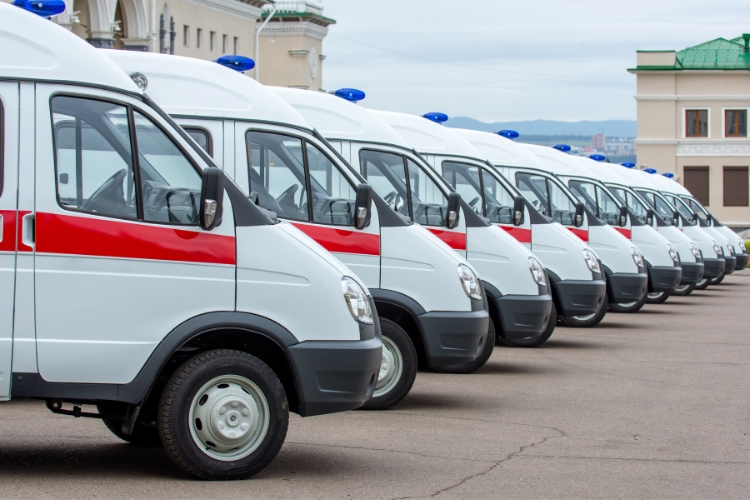
Modern emergency medical transport vehicles in Islamabad and Rawalpindi are equipped with state-of-the-art medical equipment to provide comprehensive pre-hospital care:
1. Standard Equipment in BLS Ambulances
- Oxygen delivery systems with portable tanks
- Automated external defibrillators (AEDs)
- Immobilization equipment including backboards and cervical collars
- Basic airway management tools
- Wound care supplies and bandaging materials
- Blood pressure monitoring equipment
- Emergency medications for common conditions
2. Advanced Equipment in ALS Ambulances
- Cardiac monitors with 12-lead ECG capability
- Advanced airway management tools including intubation equipment
- IV therapy supplies and fluid resuscitation equipment
- Advanced medication protocols
- Ventilators for respiratory support
- Blood glucose monitoring systems
- Temperature regulation equipment
Training and Certification Standards
Emergency medical transport personnel in the region undergo rigorous training programs:
Emergency Medical Technicians (EMTs)
- Minimum 120 hours of initial training
- Annual recertification requirements
- Specialized training in trauma care and cardiac emergencies
- Communication and patient interaction protocols
Paramedics
- Extensive 1000+ hour training programs
- Advanced life support certification
- Continuous education requirements
- Specialized training in pharmacology and advanced procedures
Quality Assurance Programs Regular audits and performance evaluations ensure service quality and adherence to protocols. Many services participate in international certification programs to maintain global standards.
Cost Considerations and Insurance Coverage
Understanding the financial aspects of emergency medical transport helps families prepare for unexpected medical emergencies:
1. Government Services
Rescue 1122 and other government-funded services typically provide free emergency transport to government hospitals. This ensures that financial constraints don’t prevent access to emergency care.
2. Private Services
Private ambulance services may charge fees ranging from PKR 2,000 to PKR 10,000 depending on:
- Distance traveled
- Level of medical care required
- Equipment and medications used
- Destination hospital
3. Insurance Coverage
Many health insurance policies in Pakistan now include emergency medical transport coverage. It’s essential to:
- Review your policy details for ambulance coverage
- Understand pre-authorization requirements
- Know which service providers are covered under your plan
- Keep insurance information easily accessible during emergencies
Choosing the Right Emergency Medical Transport
Selecting appropriate emergency medical transport depends on several factors:
1. Medical Condition Assessment
- Life-threatening emergencies: Call for ALS ambulance immediately
- Serious but stable conditions: BLS transport may be sufficient
- Non-emergency medical transport: Consider scheduled medical transport services
2. Geographic Considerations
- Urban locations: Multiple options available with quick response
- Suburban areas: Plan for slightly longer response times
- Remote areas: May require helicopter medical transport for serious emergencies
3. Hospital Destination
Consider the receiving hospital’s capabilities:
- Trauma centers: For serious injuries and multi-system trauma
- Cardiac centers: For heart-related emergencies
- Specialized facilities: For specific medical conditions requiring expert care
Technology Integration and Modern Innovations
The emergency medical transport sector in Islamabad and Rawalpindi has embraced technological advances:
1. GPS and Navigation Systems
Modern ambulances use advanced GPS systems that:
- Identify the fastest routes to hospitals
- Provide real-time traffic updates
- Help dispatchers track ambulance locations
- Reduce response times through optimal routing
2. Communication Systems
Integrated communication networks allow:
- Direct contact between ambulance crews and hospital emergency departments
- Real-time patient information sharing
- Coordination with traffic authorities for emergency corridors
- Family notification systems
3. Mobile Health Applications
Several mobile apps now provide:
- One-touch emergency service activation
- Location sharing with emergency responders
- Medical history and emergency contact storage
- Service provider ratings and reviews
Preparing for Medical Emergencies
Being prepared can significantly improve outcomes during medical emergencies:
1. Essential Information to Keep Ready
- Complete list of medications and dosages
- Medical history and known allergies
- Emergency contact information
- Insurance policy details
- Preferred hospital and physician information
2. Home and Workplace Preparedness
- Post emergency numbers in visible locations
- Ensure clear address marking for easy location
- Keep pathways clear for stretcher access
- Maintain updated emergency contact lists
3. Community Preparedness Programs
Many areas in Islamabad and Rawalpindi offer:
- Basic first aid training courses
- CPR certification programs
- Community emergency response team training
- Disaster preparedness workshops
Future Developments and Improvements
The emergency medical transport sector continues to evolve with several planned improvements:
1. Infrastructure Development
- New ambulance stations in developing areas
- Improved road networks for faster access
- Helicopter landing pads at major hospitals
- Enhanced communication tower coverage
2. Service Expansion
- Increased coverage in suburban areas like Bani Gala and Tarnol
- Specialized services for pediatric and geriatric patients
- Mental health emergency transport protocols
- Disaster response capability enhancement
3. Technology Integration
- Telemedicine capabilities in ambulances
- Electronic patient care reporting systems
- Predictive analytics for resource allocation
- Integration with smart city initiatives
Conclusion
Emergency medical transport services in Islamabad and Rawalpindi provide critical healthcare infrastructure that saves lives every day. From the bustling streets of Blue Area to the planned communities of DHA and Bahria Town, and extending to developing areas like Bani Gala and Tarnol, comprehensive emergency medical coverage ensures that help is available when you need it most.
The key to effective emergency medical transport lies in understanding available services, knowing how to access them quickly, and being prepared before emergencies occur. Whether you’re a resident of the twin cities or visiting the region, familiarizing yourself with local emergency medical transport options provides peace of mind and could prove invaluable during critical moments.
As the region continues to grow and develop, emergency medical transport services are evolving to meet increasing demands while maintaining high standards of care. By supporting these services through proper utilization, community engagement, and advocacy for continued improvements, we can ensure that quality emergency medical care remains accessible to all residents of Islamabad and Rawalpindi.
Remember, in any medical emergency, don’t hesitate to call for help. The dedicated professionals operating emergency medical transport services are trained, equipped, and ready to provide the critical care and transportation needed to save lives and preserve health in our community.
FAQs
1. What is the fastest way to get an ambulance in Islamabad or Rawalpindi?
The quickest method is calling Rescue 1122 by dialing 1122 from any phone. This government service provides free emergency medical transport with an average response time of 10-15 minutes in urban areas. For areas like DHA, Bahria Town, or central Islamabad, response times are typically faster due to strategic ambulance station placement. Always provide your exact location, nature of emergency, and contact number when calling.
2. How much does ambulance service cost in the twin cities?
Government services like Rescue 1122 and Edhi Foundation (115) provide free emergency transport to government hospitals. Private ambulance services typically charge PKR 2,000 to PKR 10,000 depending on distance, medical equipment used, and destination hospital. Many health insurance policies now cover emergency medical transport, so check your policy details. For non-emergency medical transport, costs may be lower but should be confirmed beforehand.
3. Which areas have the best emergency medical transport coverage?
Central Islamabad (Blue Area, F and G sectors), main Rawalpindi (Saddar, Committee Chowk), and planned communities like DHA and Bahria Town have excellent coverage with response times under 15 minutes. Areas like Bani Gala and Tarnol have good coverage but may experience slightly longer response times (20-30 minutes) due to distance from major hospitals. All areas have access to both Basic Life Support (BLS) and Advanced Life Support (ALS) ambulances.
4. What should I do while waiting for the ambulance to arrive?
Stay calm and keep the patient comfortable while monitoring their condition. If trained, provide basic first aid but avoid moving someone with potential spinal injuries unless they’re in immediate danger. Keep airways clear, control bleeding with direct pressure, and be prepared to perform CPR if necessary. Gather the patient’s medical information, medications, and insurance details. Ensure easy access for paramedics by clearing pathways and having someone guide them to the patient’s location.