


When medical emergencies occur in Pakistan’s capital region, access to reliable and affordable ambulance services becomes critical for saving lives. This comprehensive guide explores Insaf Ambulance, a trusted emergency medical transportation provider serving Islamabad, Rawalpindi, Bahria Town, Bani Gala, and Tarnol.
This blog article covers their service offerings, pricing structure, coverage areas, quality standards, and community impact. Whether preparing for emergencies or needing immediate assistance, understanding your options for professional emergency medical care can make the difference between life and death.
Insaf Ambulance bridges the gap between quality healthcare and affordability, ensuring that professional emergency medical services are accessible to all residents across the greater Islamabad region.
Key Takeaways
| Aspect | Key Information |
|---|---|
| Service Areas | Islamabad, Rawalpindi, Bahria Town, Bani Gala, Tarnol |
| Service Types | Basic Life Support (BLS), Advanced Life Support (ALS), Inter-Hospital Transfers |
| Pricing Range | PKR 2,500 – 5,500 base rate + per kilometer charges |
| Key Features | 24/7 availability, trained EMTs, modern equipment, GPS tracking |
| Payment Options | Cash, bank transfer, insurance billing, installment plans |
| Response Focus | Professional care with affordable pricing for all economic levels |
| Equipment Standards | Life support equipment, emergency medications, communication systems |
| Staff Qualifications | Certified Emergency Medical Technicians with ongoing training |
| Special Services | Community health education, disaster response, school programs |
| Emergency Contact | Available 24/7 with immediate dispatch and clear communication protocols |
Understanding Emergency Medical Services in Pakistan
Pakistan’s healthcare system faces unique challenges in providing emergency medical services across urban and semi-urban areas. The capital region, encompassing Islamabad and Rawalpindi, serves as a critical healthcare hub for northern Pakistan, yet many residents struggle to access timely, affordable emergency medical transportation when they need it most.
Traditional ambulance services often come with prohibitive costs, limited availability, or inadequate medical equipment. This gap in accessible emergency care has created a pressing need for services like Insaf Ambulance, which prioritizes both quality care and affordability.
1. The Reality of Medical Emergencies in the Capital Region
Medical emergencies in Islamabad and surrounding areas present unique challenges. Traffic congestion, especially during peak hours, can significantly delay emergency response times. Distance from major hospitals can be particularly challenging for residents in areas like Tarnol or the outer regions of Bahria Town. Additionally, the varying economic conditions across these areas mean that ambulance services must be both high-quality and financially accessible.
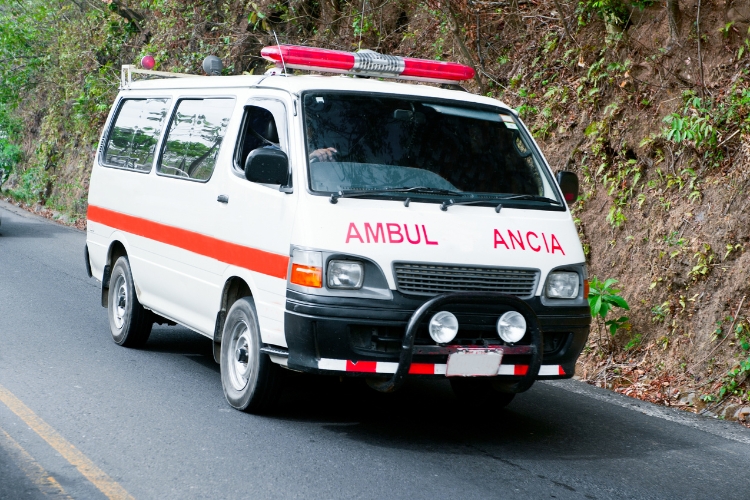
What Makes Insaf Ambulance Different
Insaf Ambulance stands out in the emergency medical services landscape through its commitment to providing professional, affordable care without compromising on quality. The organization understands that medical emergencies often come with financial stress, and their pricing model reflects a genuine commitment to serving the community.
1. Core Values and Mission
The foundation of Insaf Ambulance’s service lies in its core values of accessibility, professionalism, and community service. Unlike many commercial ambulance services that prioritize profit, Insaf Ambulance operates with a mission to ensure that quality emergency medical care is available to all residents of the capital region, regardless of their economic status.
2. Professional Standards and Equipment
Despite offering affordable rates, Insaf Ambulance maintains high professional standards. Their vehicles are equipped with essential life-support equipment, and their staff receives regular training in emergency medical procedures. This commitment to quality ensures that affordability doesn’t come at the cost of patient safety or care standards.
Comprehensive Service Areas
Insaf Ambulance provides extensive coverage across the greater Islamabad region, ensuring that residents in both urban centers and developing areas have access to emergency medical transportation.
1. Islamabad – The Heart of Operations
As Pakistan’s capital, Islamabad presents both opportunities and challenges for emergency medical services. The city’s well-planned infrastructure facilitates faster response times in most areas, but traffic congestion and the distance between residential areas and major hospitals can create complications.
Insaf Ambulance maintains strategic positioning throughout Islamabad to minimize response times. Their familiarity with the city’s layout, including shortcuts and alternate routes, enables them to navigate efficiently even during peak traffic hours. The service covers all sectors of Islamabad, from the diplomatic enclave to the newer residential developments.
2. Rawalpindi – Twin City Coverage
Rawalpindi, as Islamabad’s twin city, requires specialized knowledge of its older, more congested road network. The city’s dense population and narrow streets in some areas present unique challenges for ambulance services.
Insaf Ambulance’s operations in Rawalpindi benefit from local expertise and strategic partnerships with area hospitals. Their drivers are specifically trained to navigate Rawalpindi’s challenging road conditions, ensuring that patients receive timely care regardless of their location within the city.
3. Bahria Town – Serving Planned Communities
Bahria Town represents one of Pakistan’s largest private housing developments, with its own unique infrastructure and community needs. The planned nature of this community offers advantages for emergency services, including well-maintained roads and clear addressing systems.
However, the size of Bahria Town and its distance from some major hospitals in Islamabad and Rawalpindi require specialized logistics planning. Insaf Ambulance has developed specific protocols for serving this community, including maintaining vehicles and staff familiar with the area’s layout and the quickest routes to appropriate medical facilities.
4. Bani Gala – Scenic but Challenging Terrain
Bani Gala, known for its scenic beauty and as the location of several prominent residences, presents unique challenges for emergency medical services. The area’s hilly terrain and sometimes narrow or unpaved roads require specialized vehicles and experienced drivers.
Insaf Ambulance’s service to Bani Gala demonstrates their commitment to serving all residents of the capital region, regardless of location accessibility. Their vehicles are equipped to handle various road conditions, and their drivers receive specific training for navigating challenging terrain safely while maintaining patient stability.
5. Tarnol – Growing Community Needs
Tarnol represents the growing edge of the Islamabad region, with developing infrastructure and an expanding population. This area often lacks immediate access to major medical facilities, making reliable ambulance services particularly crucial.
The service provided by Insaf Ambulance in Tarnol reflects their understanding of community needs in developing areas. They work closely with local healthcare providers and maintain response protocols that account for longer transport times to major hospitals when necessary.
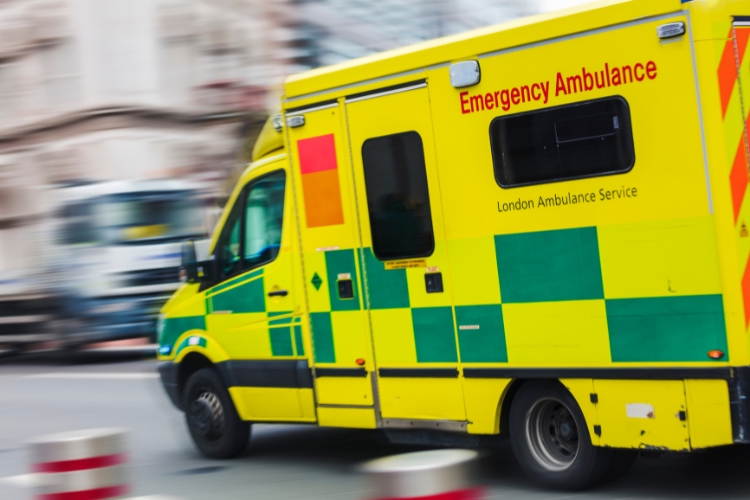
Types of Emergency Services Offered
Insaf Ambulance provides a comprehensive range of emergency medical transportation services designed to meet various healthcare needs across their service areas.
1. Basic Life Support (BLS) Services
Basic Life Support services form the foundation of Insaf Ambulance’s offerings. These services include:
- Patient Transportation: Safe, comfortable transport for patients who need medical supervision during transit but don’t require advanced life support interventions
- Vital Signs Monitoring: Continuous monitoring of basic vital signs including blood pressure, pulse, and respiratory rate during transport
- Basic Medical Care: Administration of basic medical interventions such as oxygen therapy, wound care, and medication administration as prescribed
- Emergency Response: Rapid response to medical emergencies with basic stabilization before transport to appropriate medical facilities
2. Advanced Life Support (ALS) Services
For more critical cases, Insaf Ambulance provides Advanced Life Support services, which include:
- Cardiac Monitoring: Continuous cardiac monitoring with capability for emergency interventions
- Advanced Airway Management: Procedures to ensure patient airway security during critical transport situations
- Medication Administration: Capability to administer emergency medications under medical supervision
- Communication with Hospitals: Private ambulance service Direct communication with receiving hospitals to ensure preparation for incoming patients
3. Inter-Hospital Transfers
Recognizing that not all medical facilities can provide every type of specialized care, Insaf Ambulance offers inter-hospital transfer services:
- Specialist Consultations: Transport for patients requiring specialist care not available at their current facility
- Diagnostic Procedures: Transportation for patients requiring specific diagnostic procedures at specialized centers
- Discharge Transportation: Safe transport home for patients being discharged from medical facilities
- Follow-up Appointments: Transportation for patients requiring regular follow-up care at distant facilities
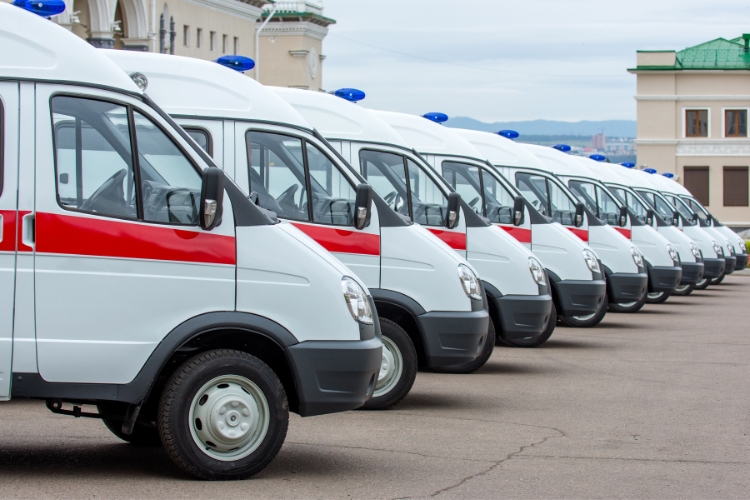
Pricing Structure and Affordability
One of Insaf Ambulance’s key differentiators is their commitment to affordable pricing without compromising service quality. Their transparent pricing structure ensures that families facing medical emergencies aren’t additionally burdened by unexpected costs.
| Service Type | Base Rate (PKR) | Per Kilometer (PKR) | Additional Services |
|---|---|---|---|
| Basic Life Support | 2,500 – 3,500 | 25 – 35 | Oxygen, Basic Monitoring |
| Advanced Life Support | 4,000 – 5,500 | 35 – 45 | Cardiac Monitor, Advanced Equipment |
| Inter-Hospital Transfer | 3,000 – 4,000 | 30 – 40 | Medical Records Transfer |
| Emergency Response | 3,500 – 4,500 | 35 – 45 | 24/7 Availability |
Note: Prices may vary based on specific requirements, distance, and time of service. Contact Insaf Ambulance directly for accurate quotations.
1. Payment Options and Financial Assistance
Understanding that medical emergencies often create financial stress, Insaf Ambulance offers flexible payment options:
- Direct Payment: Cash, bank transfer, or mobile payment options
- Insurance Billing: Direct billing to insurance companies when applicable
- Installment Plans: Flexible payment arrangements for families facing financial difficulties
- Emergency Fund: Limited financial assistance for families in extreme financial distress
Quality Standards and Safety Protocols
Insaf Ambulance maintains rigorous quality standards to ensure patient safety and care quality across all their services.
1. Vehicle Standards and Maintenance
All Insaf Ambulance vehicles undergo regular maintenance and safety inspections to ensure reliability during emergency situations. Their fleet includes:
- Modern Ambulances: Well-maintained vehicles equipped with essential medical equipment
- Regular Inspections: Scheduled mechanical and medical equipment inspections
- GPS Tracking: Real-time vehicle tracking for optimal route planning and safety monitoring
- Communication Systems: Reliable communication systems for coordination with hospitals and dispatch
2. Staff Training and Certification
The quality of emergency medical care depends heavily on the training and expertise of the medical staff. Insaf Ambulance invests significantly in staff development:
- Certified EMTs: All medical staff hold appropriate certifications for their roles
- Ongoing Training: Regular training sessions on emergency procedures and equipment use
- Customer Service Training: Training in compassionate patient and family interaction
- Safety Protocols: Comprehensive training in vehicle and patient safety procedures
3. Medical Equipment Standards
All medical equipment used by Insaf Ambulance meets or exceeds industry standards and undergoes regular calibration and maintenance:
- Life Support Equipment: Reliable, well-maintained equipment for patient monitoring and support
- Emergency Medications: Properly stored and regularly updated emergency medication supplies
- Communication Devices: Reliable communication systems for coordination with medical facilities
- Safety Equipment: Comprehensive safety equipment for both patients and staff
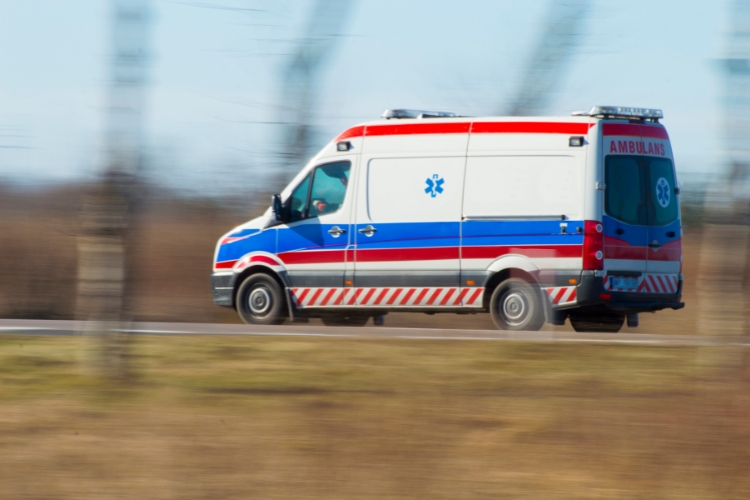
How to Access Insaf Ambulance Services
Accessing Insaf Ambulance services is designed to be straightforward and efficient, recognizing that medical emergencies require immediate response.
1. Emergency Contact Process
When facing a medical emergency:
- Call Immediately: Contact Insaf Ambulance’s emergency hotline
- Provide Clear Information: Location, nature of emergency, and patient condition
- Stay on the Line: Remain available for additional questions or instructions
- Prepare for Arrival: Ensure clear access to the patient and gather necessary medical information
2. Non-Emergency Scheduling
For planned medical transportation:
- Advance Booking: Schedule transportation for planned medical appointments or procedures
- Medical Information: Provide relevant medical information to ensure appropriate service level
- Confirmation: Receive confirmation with estimated timing and costs
- Preparation: Prepare necessary medical records and personal items for transport
3. What Information to Have Ready
To ensure efficient service, have the following information ready when calling:
- Exact Location: Clear address and landmarks for easy location
- Patient Information: Age, gender, and basic medical condition
- Emergency Nature: Brief description of the medical situation
- Destination Preference: Preferred hospital or medical facility if applicable
- Contact Information: Primary contact person and phone number
4. Community Impact and Testimonials
Insaf Ambulance’s impact on the communities they serve extends beyond individual emergency responses to broader improvements in healthcare accessibility and community well-being.
5. Community Health Initiatives
Beyond emergency response, Insaf Ambulance participates in community health initiatives:
- Health Education: Community workshops on emergency preparedness and basic first aid
- School Programs: Educational programs in schools about emergency response and health awareness
- Community Partnerships: Collaboration with local healthcare providers and community organizations
- Disaster Response: Participation in community disaster response planning and execution
6. Real Impact Stories
The true measure of Insaf Ambulance’s success lies in the lives they’ve helped save and the families they’ve supported during critical moments. Their commitment to affordable, quality care has made a tangible difference in communities across Islamabad, Rawalpindi, Bahria Town, Bani Gala, and Tarnol.
Families who have used their services consistently report not only satisfaction with the medical care provided but also appreciation for the compassionate, professional approach of the staff during stressful situations.
Preparing for Medical Emergencies
While no one wants to think about medical emergencies, being prepared can make a crucial difference in outcomes.
1. Emergency Preparedness Tips
- Keep Contact Information Handy: Store Insaf Ambulance’s contact information in easily accessible locations
- Know Your Location: Be familiar with your exact address and nearby landmarks
- Medical Information: Keep important medical information easily accessible for family members
- Emergency Fund: Consider maintaining a small emergency fund for unexpected medical expenses
- First Aid Knowledge: Basic first aid knowledge can be invaluable while waiting for professional help
2. When to Call an Ambulance
Understanding when to call for emergency medical services can be crucial:
- Life-Threatening Situations: Chest pain, difficulty breathing, loss of consciousness, severe bleeding
- Serious Injuries: Head injuries, suspected fractures, severe burns
- Acute Medical Conditions: Severe allergic reactions, suspected stroke symptoms, extreme pain
- Safety Concerns: When moving the patient might cause additional injury
The Future of Emergency Medical Services
Insaf Ambulance continues to evolve and improve their services based on community needs and advances in emergency medical care.
1. Technology Integration
Modern emergency medical services increasingly rely on technology to improve response times and care quality:
- GPS Optimization: Advanced routing systems for faster response times
- Electronic Medical Records: Seamless integration with hospital systems for better patient care continuity
- Telemedicine Capabilities: Remote consultation capabilities for enhanced pre-hospital care
- Mobile Applications: User-friendly apps for easier service access and tracking
2. Service Expansion Plans
As communities grow and healthcare needs evolve, Insaf Ambulance continues to evaluate opportunities for service expansion:
- Geographic Expansion: Extending services to additional areas as demand grows
- Service Diversification: Adding specialized services based on community needs
- Partnership Development: Building partnerships with healthcare providers for integrated care
- Training Programs: Expanding training programs for emergency medical technicians
Conclusion
Medical emergencies are unpredictable, but having access to reliable, affordable emergency medical services shouldn’t be a luxury. Insaf Ambulance has established itself as a trusted provider of emergency medical transportation across Islamabad, Rawalpindi, Bahria Town, Bani Gala, and Tarnol, proving that quality healthcare services can be both professional and accessible.
Their commitment to serving all members of the community, regardless of economic circumstances, represents a vital service that strengthens the healthcare infrastructure of Pakistan’s capital region. By maintaining high standards of care while keeping services affordable, Insaf Ambulance demonstrates that compassionate, professional emergency medical services can be sustainable and community-focused.
For residents of the greater Islamabad area, knowing that Insaf Ambulance is available 24/7 provides invaluable peace of mind. Their trained professionals, well-equipped vehicles, and commitment to rapid response times ensure that when emergencies occur, help is just a phone call away.
Whether you’re planning for potential emergencies or facing an urgent medical situation right now, Insaf Ambulance stands ready to provide the professional, affordable emergency medical transportation services that could make all the difference for you and your loved ones.
Remember, in medical emergencies, every second counts. Having Insaf Ambulance’s contact information readily available and understanding their services can be crucial preparation that you hope never to need but will be grateful to have when the time comes.
FAQs
1. How much does Insaf Ambulance service cost in Islamabad?
Insaf Ambulance offers transparent, affordable pricing with base rates ranging from PKR 2,500 to 5,500 depending on the service type (Basic or Advanced Life Support). Additional per-kilometer charges apply, typically between PKR 25-45. The exact cost depends on distance, service level required, and specific medical needs. They offer flexible payment options including cash, bank transfers, insurance billing, and installment plans for families facing financial difficulties. Emergency situations are prioritized regardless of payment method, ensuring no one is denied critical medical transportation due to immediate payment concerns.
2. Which areas does Insaf Ambulance cover in the capital region?
Insaf Ambulance provides comprehensive coverage across the greater Islamabad region, including Islamabad city (all sectors), Rawalpindi, Bahria Town, Bani Gala, and Tarnol. Their strategic positioning ensures rapid response times across these diverse areas, from urban centers to developing communities. The service is designed to handle the unique challenges of each location, including traffic congestion in city centers, planned community layouts in Bahria Town, hilly terrain in Bani Gala, and developing infrastructure in Tarnol. Their drivers receive specialized training for navigating different road conditions and terrain types.
3. What types of medical equipment are available in Insaf Ambulance vehicles?
Insaf Ambulance vehicles are equipped with essential life-support equipment including oxygen therapy systems, cardiac monitors, basic and advanced airway management tools, emergency medications, and vital signs monitoring equipment. Advanced Life Support vehicles include additional equipment like cardiac defibrillators and advanced medication administration capabilities. All equipment undergoes regular maintenance and calibration to ensure reliability during emergencies. The vehicles also feature GPS tracking systems, reliable communication equipment for hospital coordination, and safety equipment for both patients and medical staff during transport.
4. How quickly can Insaf Ambulance respond to emergency calls?
Response times vary based on location, traffic conditions, and time of day, but Insaf Ambulance maintains strategic positioning across their service areas to minimize delays. Their 24/7 dispatch system immediately coordinates the nearest available ambulance upon receiving an emergency call. Factors affecting response time include traffic congestion (especially during peak hours), distance from major roads, and accessibility of the location. The service uses GPS tracking and local route knowledge to optimize response times. For non-emergency transportation, advance booking is available to ensure timely service for planned medical appointments or procedures.