


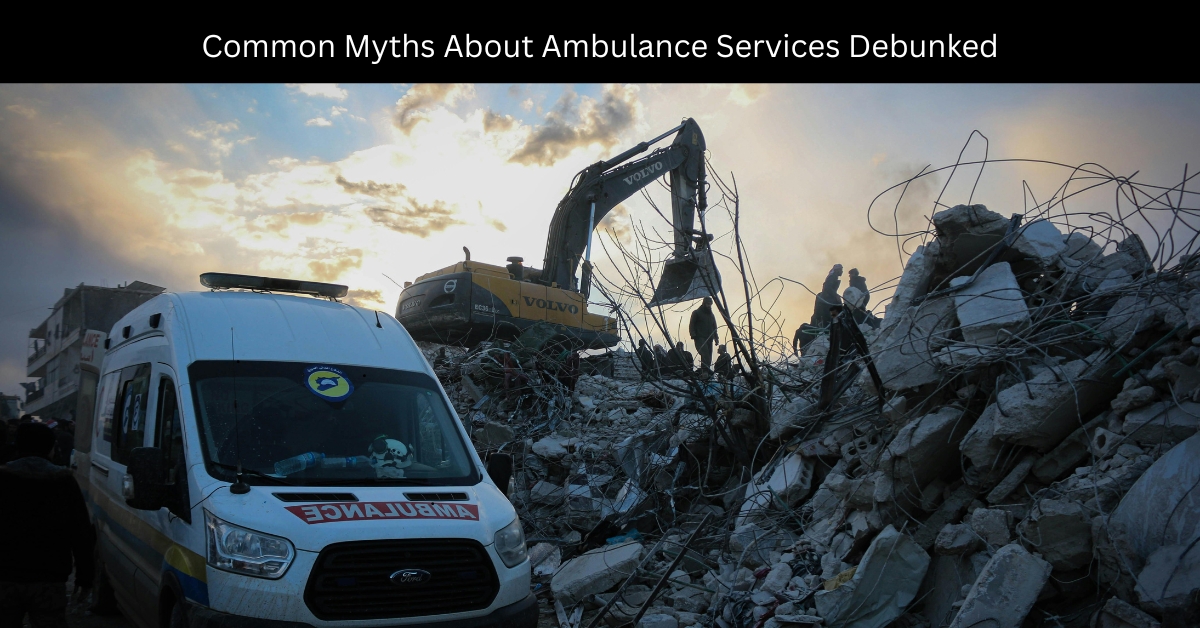
When medical emergencies strike, ambulance services serve as the critical bridge between life-threatening situations and hospital care. Despite their vital role in healthcare systems worldwide, numerous misconceptions persist about how ambulance services operate, when to call them, and what patients can expect during transport. These myths can lead to delayed emergency care, inappropriate use of services, or unnecessary anxiety during already stressful situations.
Understanding the reality behind ambulance services empowers individuals to make informed decisions during emergencies and helps dispel fears that might prevent someone from seeking crucial medical attention. This comprehensive guide examines the most common myths surrounding ambulance services and provides evidence-based facts to help you navigate emergency medical situations with confidence.
Key Takeaways!
| Myth | Reality | Action Point |
|---|---|---|
| Only for life-threatening emergencies | Call when professional medical assessment is needed, even for unclear symptoms | Don’t hesitate to call if you’re unsure about symptom severity |
| Response times are always slow | Times vary by priority level and location; life-threatening calls get fastest response | Understand that dispatch prioritizes based on medical urgency |
| You can’t refuse treatment | Competent adults can refuse treatment or transport after understanding risks | Know your rights but listen to EMS professional recommendations |
| Always go to nearest hospital | Destination based on appropriate care, not just distance | Trust EMS to choose the best facility for your specific condition |
| Bills are extremely expensive | Costs vary; insurance often covers medically necessary transport | Don’t let cost fears delay emergency care; financial assistance available |
| Crews can’t provide real treatment | Modern EMS provides advanced medical care including IV medications, cardiac monitoring | Expect sophisticated medical treatment to begin upon arrival |
| Private ambulances provide inferior care | Quality depends on certification and training, not ownership type | Focus on proper licensing and trained personnel, not public vs. private |

Understanding Modern Ambulance Services
Before diving into specific myths, it’s essential to understand what modern ambulance services actually provide. Today’s emergency medical services (EMS) are sophisticated healthcare delivery systems staffed by trained medical professionals who can provide advanced life support, administer medications, and perform life-saving procedures en route to hospitals.
Ambulance crews typically include Emergency Medical Technicians (EMTs) and Paramedics, each with different levels of training and certification. EMTs provide basic life support, while Paramedics can perform advanced procedures including intubation, cardiac monitoring, and intravenous medication administration. This mobile healthcare capability means that critical treatment begins the moment help arrives, not when patients reach the hospital.
Myth 1: Ambulances Are Only for Life-Threatening Emergencies
The Reality of Emergency Medical Assessment
One of the most persistent myths suggests that ambulances should only be called for obviously life-threatening situations. This misconception can prevent people from seeking necessary medical care when symptoms are unclear or seem manageable but could indicate serious underlying conditions.
The truth is that ambulance services are designed to respond to any situation where:
- Medical expertise is needed to assess the severity of symptoms
- Safe transportation to a medical facility is required
- The patient’s condition could deteriorate during transport
- Immediate medical intervention might be necessary
Many medical emergencies don’t present with dramatic symptoms initially. Heart attacks, strokes, and other serious conditions can begin with subtle signs that worsen rapidly. Trained EMS professionals can recognize these early warning signs and begin appropriate treatment immediately.
1. When to Call for Ambulance Services
Rather than trying to determine if a situation is “serious enough,” focus on whether professional medical assessment and care are needed. Call for ambulance services when experiencing:
- Chest pain or pressure
- Difficulty breathing or shortness of breath
- Severe abdominal pain
- Signs of stroke (facial drooping, arm weakness, speech difficulties)
- Loss of consciousness or altered mental state
- Severe allergic reactions
- Serious injuries from accidents or falls
- Any situation where you’re unsure about the severity of symptoms
Myth 2: Ambulance Response Times Are Always Too Slow
Understanding Emergency Response Priorities
Media coverage of delayed ambulance responses has created a widespread belief that emergency services are consistently slow to respond. While response times vary based on location, call volume, and available resources, this myth oversimplifies the complex logistics of emergency medical services.
Factors affecting ambulance response times include:
- Geographic location and distance from stations
- Current call volume and ambulance availability
- Traffic conditions and weather
- Priority level of the emergency call
- Need for additional resources or specialized equipment
Modern EMS systems use sophisticated dispatch protocols that prioritize calls based on medical urgency. Life-threatening emergencies receive the highest priority, while less urgent calls may experience longer wait times to ensure critical cases receive immediate attention.
1. Response Time Standards and Reality
| Emergency Priority Level | Target Response Time | Typical Scenarios |
|---|---|---|
| Priority 1 (Life-threatening) | 8-10 minutes | Cardiac arrest, severe trauma, stroke |
| Priority 2 (Urgent) | 15-20 minutes | Chest pain, difficulty breathing, severe pain |
| Priority 3 (Non-urgent) | 30-60 minutes | Minor injuries, stable medical conditions |
These timeframes represent industry standards, though actual response times can vary significantly based on local resources and circumstances. Urban areas typically have faster response times due to closer station proximity, while rural areas may experience longer delays due to greater distances and fewer available units.
Myth 3: You Can’t Refuse Ambulance Treatment or Transport
1. Patient Rights in Emergency Situations
Many people believe that once an ambulance arrives, they have no choice but to accept treatment and transportation to a hospital. This myth can create anxiety and prevent individuals from calling for help when they’re unsure about their symptoms.
The reality is that competent adults have the right to:
- Refuse medical treatment
- Decline transportation to a hospital
- Request transport to a specific medical facility (when medically appropriate)
- Ask questions about proposed treatments
However, EMS personnel have a professional and legal obligation to ensure that patients understand the potential consequences of refusing care. They will explain the risks associated with declining treatment and may ask patients to sign documentation acknowledging they understand these risks.
2. When Refusal May Not Be Possible
There are limited situations where EMS personnel may not accept a patient’s refusal:
- When the patient lacks mental capacity to make informed decisions
- In cases involving minors without parental consent
- When patients are under the influence of substances affecting judgment
- If there are concerns about the patient’s ability to care for themselves safely

Myth 4: Ambulances Always Take You to the Nearest Hospital
1. Hospital Destination Protocols
A common misconception is that ambulances automatically transport patients to the closest medical facility. While proximity is one factor in destination decisions, EMS protocols prioritize appropriate care over simple distance.
Factors influencing hospital destination include:
- Severity and type of medical condition
- Specialized care requirements (trauma centers, stroke centers, cardiac facilities)
- Hospital capacity and emergency department status
- Patient preferences and insurance considerations
- Protocol requirements for specific conditions
For example, patients experiencing heart attacks may be transported to facilities with cardiac catheterization labs, even if they’re not the closest hospital. Similarly, trauma patients often go directly to designated trauma centers equipped to handle serious injuries.
2. Specialized Care Centers
Modern EMS systems recognize that different medical emergencies require different levels of care:
- Trauma Centers: Equipped for serious injuries with specialized surgical teams available 24/7
- Stroke Centers: Have neurologists and advanced imaging capabilities for rapid stroke treatment
- Cardiac Centers: Offer emergency cardiac catheterization and advanced heart attack treatment
- Pediatric Centers: Specialized for treating children and infants
This approach ensures patients receive the most appropriate care for their specific condition, potentially saving lives and improving outcomes.
Myth 5: Ambulance Bills Are Always Extremely Expensive
Understanding EMS Billing and Insurance Coverage
Fear of expensive bills prevents some people from calling ambulances when needed. While ambulance services do charge for their services, the cost structure is more complex than many people realize, and various forms of coverage may apply.
Typical ambulance billing includes:
- Base rate for the ambulance response
- Mileage charges for transportation
- Treatment and medication costs
- Advanced life support charges when applicable
Insurance coverage often includes:
- Medicare coverage for medically necessary ambulance transport
- Private insurance coverage varying by plan
- Medicaid coverage in most states
- Workers’ compensation for job-related injuries
Many ambulance services offer payment plans or financial assistance programs for patients experiencing economic hardship. The key is not to let cost concerns delay seeking emergency medical care when it’s truly needed.
1. Cost vs. Value Considerations
When evaluating ambulance costs, consider the value of services provided:
- Immediate medical assessment and treatment
- Advanced life support capabilities
- Safe transportation with continued monitoring
- Direct communication with hospital emergency departments
- Potential life-saving interventions during transport
The cost of ambulance services must be weighed against the potential consequences of delayed or inadequate emergency medical care.

Myth 6: Ambulance Crews Can’t Provide Real Medical Treatment
1. Advanced Capabilities of Modern EMS
Some people view ambulances as simply transportation vehicles, not recognizing the sophisticated medical care that modern EMS providers can deliver. This misconception underestimates the extensive training and capabilities of today’s ambulance crews.
Paramedics can perform numerous advanced procedures:
- Cardiac monitoring and defibrillation
- Advanced airway management including intubation
- Intravenous fluid administration and medication delivery
- Blood glucose monitoring and treatment
- Cardiac rhythm interpretation and treatment
- Pain management with controlled medications
EMTs provide essential basic life support including:
- Oxygen therapy and airway management
- Bleeding control and wound care
- Splinting and immobilization
- CPR and automated external defibrillation
- Basic medication administration
- Vital sign monitoring
This mobile healthcare capability means that critical treatment begins immediately upon EMS arrival, potentially saving lives and preventing deterioration during transport.
2. Continuous Medical Education and Training
EMS personnel undergo extensive initial training and must complete ongoing education to maintain their certifications. This ensures they stay current with the latest emergency medical procedures and protocols. Many ambulance services also have medical directors who provide oversight and ensure quality care standards.
Myth 7: Private Ambulances Provide Inferior Care
1. Distinguishing Between Emergency and Non-Emergency Services
Confusion exists between emergency ambulance services and private medical transport companies. While some private companies focus on non-emergency medical transport, many private ambulance services provide the same level of emergency care as municipal services.
Key differences to understand:
- Emergency ambulance services (public or private) respond to 911 calls and provide advanced medical care
- Non-emergency medical transport helps patients get to routine medical appointments
- Both types of services employ certified medical professionals
- Standards for emergency care are consistent regardless of service provider
Quality indicators for any ambulance service include:
- Proper licensing and certification
- Trained and certified personnel
- Up-to-date medical equipment
- Response time standards
- Medical oversight and quality assurance programs
The most important factor is not whether the service is public or private, but whether it meets established standards for emergency medical care and employs properly trained personnel.

Making Informed Decisions About Emergency Medical Services
Understanding the facts about ambulance services helps you make better decisions during medical emergencies. Remember that EMS professionals are trained to assess situations and provide appropriate care, so don’t hesitate to call when you’re unsure about the severity of symptoms.
Key takeaways for using ambulance services effectively:
- Call when professional medical assessment is needed, not just for obvious emergencies
- Trust EMS personnel to determine appropriate treatment and transport decisions
- Understand your rights regarding treatment and transport
- Don’t let cost concerns prevent seeking necessary emergency care
- Recognize that modern ambulances provide sophisticated medical treatment
Conclusion
Dispelling myths about ambulance services is crucial for ensuring people receive appropriate emergency medical care when needed. These misconceptions can lead to delayed treatment, inappropriate service use, or unnecessary anxiety during medical emergencies.
Modern ambulance services represent sophisticated mobile healthcare systems staffed by highly trained professionals capable of providing advanced medical care. Understanding their capabilities, limitations, and proper use empowers individuals to make informed decisions during emergencies and helps ensure the best possible outcomes for patients requiring urgent medical attention.
When facing a potential medical emergency, remember that EMS professionals are trained to assess, treat, and transport patients safely. Their expertise begins the moment they arrive, providing critical care that can mean the difference between life and death, recovery and permanent disability, or comfort and continued suffering.
Don’t let myths and misconceptions prevent you or your loved ones from accessing potentially life-saving emergency medical care. When in doubt, make the call – ambulance services exist to help during your most vulnerable moments, and understanding their true capabilities ensures you can use them effectively when emergencies arise.
FAQs
1. When should I call an ambulance instead of driving to the hospital myself?
Call an ambulance when you need immediate medical assessment or treatment that can’t wait, when your condition might worsen during transport, or when driving would be unsafe. This includes chest pain, difficulty breathing, stroke symptoms, severe injuries, or any situation where you’re uncertain about the severity. EMS crews can provide life-saving treatment en route and communicate with hospitals to prepare for your arrival, potentially saving crucial time in emergency situations.
2. How much does an ambulance ride typically cost, and will insurance cover it?
Ambulance costs vary widely, typically ranging from $500 to $2,000 depending on distance, treatment provided, and location. Most insurance plans, including Medicare and Medicaid, cover medically necessary ambulance transport. Private insurance coverage varies by plan, so check your benefits. Many ambulance services offer payment plans or financial assistance for those facing economic hardship. Don’t let cost concerns prevent you from seeking emergency care when truly needed.
3. Can I choose which hospital the ambulance takes me to?
You can request a specific hospital, but EMS crews prioritize appropriate medical care over patient preference. For serious conditions like heart attacks or strokes, you’ll likely go to specialized centers equipped for your specific emergency, even if they’re not the closest facility. EMS professionals consider factors like hospital capacity, specialized services needed, and your medical condition when making transport decisions. Your safety and receiving proper care take precedence over hospital preference.
4. What medical procedures can ambulance crews actually perform during transport?
Modern ambulance crews are highly trained medical professionals who can perform sophisticated procedures. Paramedics can administer IV medications, monitor heart rhythms, perform intubation, provide advanced cardiac life support, and manage pain with controlled substances. EMTs provide essential care including oxygen therapy, bleeding control, CPR, and basic medication administration. This means critical medical treatment begins the moment help arrives, not when you reach the hospital, potentially saving lives and preventing deterioration during transport.