



Pakistan’s emergency medical services sector is experiencing unprecedented transformation driven by technological innovation, increased investment, and growing healthcare demands. This comprehensive analysis reveals how ambulance services are evolving from traditional response systems to sophisticated, technology-enabled healthcare networks. With the global ambulance market projected to reach significant growth and Pakistan’s unique healthcare challenges requiring innovative solutions, the country stands at a critical juncture where strategic investments in digital health, fleet modernization, and service integration could revolutionize emergency medical care.
The article examines current service gaps, explores emerging technologies including AI-powered dispatch systems and telemedicine integration, and outlines a roadmap for systematic improvement. Key findings indicate that while challenges exist in infrastructure and regulatory frameworks, the combination of public-private partnerships, international collaboration, and community-focused innovations presents substantial opportunities for creating world-class emergency medical services that serve both urban and rural populations effectively.
Key Takeaways!
| Aspect | Current Status | Future Innovations | Expected Impact |
|---|---|---|---|
| Technology Integration | Basic GPS tracking, limited digital systems | AI-powered dispatch, IoT devices, advanced telemedicine | 40-60% improvement in response times |
| Service Coverage | Primarily urban areas, limited rural access | Comprehensive network with air ambulance services | 80% population coverage by 2030 |
| Fleet Modernization | Traditional diesel ambulances | Electric/hybrid vehicles, smart medical equipment | Reduced operational costs, better patient care |
| Market Growth | Fragmented services, limited investment | USD 10.2B global market growth at 5.8% CAGR | Increased private sector participation |
| Digital Health | Manual processes, paper-based records | Mobile apps, electronic health records, real-time data | Seamless care coordination |
| Training & Standards | Varied quality, inconsistent protocols | Standardized certification, continuous education | Professional emergency medical workforce |
| Regulatory Framework | Limited oversight, informal standards | Comprehensive regulations, quality assurance | Improved service reliability and safety |
Current State of Ambulance Services in Pakistan
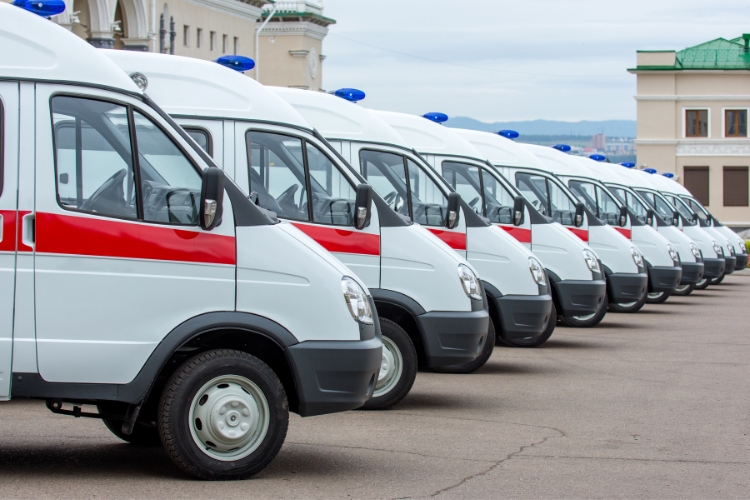
The foundation of Pakistan’s emergency medical services primarily rests on the Punjab Emergency Service (Rescue 1122), which has served as a model for other provinces since its establishment. Currently, ambulance utilization in low- and middle-income countries like Pakistan remains limited, with significant gaps in coverage and accessibility, particularly in rural areas.
The existing ambulance infrastructure faces several challenges including inadequate fleet sizes, limited geographic coverage, and varying levels of medical equipment sophistication. However, this landscape is rapidly changing as both public and private sectors recognize the critical importance of robust emergency medical services in saving lives and improving health outcomes.
1. Key Statistics and Current Performance
The current ambulance services in Pakistan operate under several constraints that highlight the need for modernization and expansion. Traditional response systems often struggle with coordination, resource allocation, and real-time communication between dispatch centers and medical facilities.
Technological Innovations Transforming Emergency Medical Services
1. Digital Health Integration and Telemedicine
The integration of digital health technologies represents one of the most significant advances in Pakistan’s ambulance services. Telehealth and mHealth innovations have been complemented with the introduction and use of portable sensors and self-care gadgets such as glucometers, mobile blood pressure controls, pulse oximeters, and optical stethoscopes, enabling paramedics to provide more sophisticated pre-hospital care.
Advanced telemedicine capabilities are being incorporated into ambulance operations, allowing emergency medical technicians to consult with specialists in real-time during patient transport. This innovation is particularly valuable for complex cases where immediate expert guidance can mean the difference between life and death.
2. Smart Fleet Management Systems
Modern ambulance services are implementing intelligent fleet management systems that utilize GPS tracking, route optimization algorithms, and predictive analytics to ensure faster response times. These systems can automatically dispatch the nearest available ambulance while considering traffic patterns, road conditions, and hospital capacity.

3. Mobile Health Applications and Public Access
Smartphone applications are revolutionizing how citizens access emergency medical services. These platforms enable users to request ambulances, share precise location data, provide preliminary medical information, and track response times. Some applications also offer features like medical history storage and emergency contact notifications.
4. Internet of Things (IoT) and Connected Medical Devices
The integration of IoT technology in ambulances is creating smart medical environments that can monitor patient vitals continuously, transmit data to receiving hospitals, and ensure optimal treatment conditions during transport. Connected devices enable seamless information flow from the emergency scene to the hospital, improving care coordination.
Market Growth and Investment Trends
The global ambulance services sector is experiencing substantial growth, with the ambulance market size valued at USD 10.2 billion in 2024 and projected to grow at a CAGR of 5.8% between 2025 and 2034, driven by growing investments in the healthcare sector across the globe. This growth trajectory presents significant opportunities for Pakistan’s emergency medical services sector.
Investment in ambulance services is being driven by several factors including demographic changes, urbanization, and increased health awareness. The growing middle class in Pakistan is creating demand for higher-quality emergency medical services, encouraging both public and private sector investments.
1. Air Ambulance Services Development
Air ambulance services market size was valued at USD 6.7 billion in 2024 and is anticipated to grow at a CAGR of over 9.7% between 2025 and 2034, driven by increasing adoption of advanced air mobility solutions. Pakistan is beginning to explore helicopter emergency medical services (HEMS) for major urban areas and challenging terrain where traditional ground ambulances face limitations.

Key Trends Shaping the Future
1. Artificial Intelligence and Machine Learning
AI-powered systems are being developed to predict emergency patterns, optimize resource allocation, and assist in clinical decision-making. Machine learning algorithms can analyze historical data to identify high-risk areas and times, enabling proactive positioning of ambulance resources.
2. Electric and Hybrid Ambulance Fleets
Environmental sustainability is becoming increasingly important, leading to the development of electric and hybrid ambulance vehicles. These eco-friendly alternatives offer reduced operating costs, lower emissions, and quieter operation, which can be beneficial for patient care during transport.
3. Integrated Healthcare Networks
Future ambulance services will operate as integral components of comprehensive healthcare networks, with seamless integration between emergency response, hospitals, specialist clinics, and rehabilitation facilities. This holistic approach ensures continuity of care from emergency response through recovery.
4. Community Paramedicine Programs
Expanding beyond traditional emergency response, ambulance services are developing community paramedicine programs that provide preventive care, chronic disease management, and health education in underserved areas. These programs help reduce emergency department visits and improve overall community health outcomes.

Challenges and Opportunities
1. Infrastructure Development Needs
Pakistan’s ambulance services face significant infrastructure challenges including inadequate road networks in rural areas, limited communication systems, and insufficient maintenance facilities. Addressing these challenges requires coordinated efforts between government agencies, healthcare providers, and technology companies.
2. Regulatory Framework and Standards
Pakistan currently lacks an advanced digital healthcare system, highlighting the need for comprehensive regulatory frameworks that support innovation while ensuring patient safety and service quality. Establishing clear standards for equipment, training, and operational procedures will be crucial for systematic improvement.
3. Training and Human Resource Development
The future of ambulance services depends heavily on skilled personnel who can operate advanced medical equipment and utilize digital health technologies effectively. Continuous training programs and professional development opportunities are essential for building a competent workforce.

Regional Innovation Examples
1. Punjab Emergency Service Model
The Punjab Emergency Service (Rescue 1122) continues to serve as Pakistan’s premier emergency medical service model, demonstrating how systematic approaches to emergency response can achieve remarkable results. Their success provides a blueprint for expansion to other provinces and regions.
2. Private Sector Partnerships
Innovative partnerships between public emergency services and private healthcare providers are creating new models of ambulance service delivery. These collaborations combine public sector reach with private sector efficiency and technology adoption.
Technology Implementation Roadmap
| Phase | Timeline | Key Technologies | Expected Outcomes |
|---|---|---|---|
| Phase 1 | 2025-2026 | GPS tracking, mobile apps, basic telemedicine | Improved response times, better dispatch coordination |
| Phase 2 | 2026-2028 | IoT devices, AI-powered analytics, electronic health records | Enhanced patient care, predictive resource allocation |
| Phase 3 | 2028-2030 | Advanced AI, electric vehicles, comprehensive network integration | Fully integrated smart emergency medical system |
| Phase 4 | 2030+ | Autonomous vehicles, advanced robotics, predictive healthcare | Next-generation emergency medical services |
Investment and Funding Opportunities
The modernization of Pakistan’s ambulance services presents numerous investment opportunities for both domestic and international stakeholders. Key areas requiring investment include:
- Fleet modernization and expansion
- Technology infrastructure development
- Training and capacity building programs
- Research and development initiatives
- Public-private partnership projects
1. International Collaboration Potential
Pakistan can benefit significantly from international partnerships and knowledge transfer programs with countries that have advanced emergency medical systems. Collaboration opportunities exist in technology transfer, training programs, and joint research initiatives.

Future Outlook and Predictions
The next decade will witness transformative changes in Pakistan’s ambulance services, driven by technological advancement, increased investment, and growing public awareness of emergency medical care importance. Key predictions for the future include:
1. Short-term Developments (2025-2027)
Over the next three years, Pakistan’s ambulance services will likely see widespread adoption of mobile applications, GPS-enabled dispatch systems, and basic telemedicine capabilities. Response times are expected to improve significantly in major urban areas, while rural coverage will expand gradually.
2. Medium-term Transformations (2027-2030)
The medium term will bring more sophisticated technologies including AI-powered decision support systems, comprehensive electronic health record integration, and the introduction of electric ambulance fleets in major cities. Inter-hospital transfer capabilities will be enhanced through better coordination systems.
3. Long-term Vision (2030 and Beyond)
By 2030 and beyond, Pakistan’s ambulance services may incorporate autonomous vehicle technologies, advanced robotics for patient care, and predictive healthcare systems that can anticipate medical emergencies before they occur. The integration with smart city initiatives will create seamless emergency response ecosystems.

Recommendations for Stakeholders
1. For Government Agencies
Government bodies should focus on developing comprehensive regulatory frameworks, investing in infrastructure development, and facilitating public-private partnerships. Creating standardized protocols and ensuring adequate funding for rural areas will be crucial for equitable service delivery.
2. For Healthcare Providers
Healthcare institutions should invest in technology integration, staff training, and coordination systems that enable seamless patient handoffs from ambulance services. Developing specialized emergency departments that can effectively utilize pre-hospital data will improve patient outcomes.
3. For Technology Companies
Technology companies have opportunities to develop Pakistan-specific solutions that address local challenges while incorporating global best practices. Focus areas include affordable telemedicine systems, ruggedized medical devices, and culturally appropriate user interfaces.
4. For International Partners
International organizations and governments can support Pakistan’s ambulance service modernization through technology transfer, training programs, and funding for innovative pilot projects. Sharing successful models from other developing countries will accelerate progress.
Conclusion
The future of ambulance services in Pakistan holds immense promise, with technological innovations and systematic improvements poised to transform emergency medical care across the country. While challenges remain, the combination of growing investment, technological advancement, and increasing public awareness creates a favorable environment for significant progress.
Success will depend on coordinated efforts between government agencies, healthcare providers, technology companies, and international partners. By embracing innovation while addressing fundamental infrastructure needs, Pakistan can build world-class ambulance services that save lives, improve health outcomes, and serve as a model for other developing nations.
The journey toward modernized emergency medical services requires sustained commitment, strategic planning, and continuous adaptation to emerging technologies. With proper execution of these initiatives, Pakistan’s ambulance services will not only meet current needs but also anticipate and address future healthcare challenges effectively.
As the global ambulance services market continues to grow and evolve, Pakistan has the opportunity to position itself as a regional leader in emergency medical care innovation. The next decade will be crucial in determining whether this potential is fully realized, making current decisions and investments all the more important for the future of emergency medical services in the country.
FAQs
1. What are the main challenges facing ambulance services in Pakistan currently?
Pakistan’s ambulance services face several critical challenges including inadequate infrastructure in rural areas, limited fleet sizes, inconsistent service quality, and lack of standardized protocols. The current system struggles with poor coordination between dispatch centers and hospitals, insufficient medical equipment, and limited coverage outside major urban centers. Additionally, funding constraints and the absence of comprehensive regulatory frameworks hinder systematic improvements across the sector.
2. How is technology improving ambulance services in Pakistan?
Technology is revolutionizing Pakistan’s ambulance services through multiple innovations. GPS-enabled dispatch systems are reducing response times, while telemedicine capabilities allow paramedics to consult with specialists during patient transport. Mobile applications enable citizens to request ambulances more efficiently, and IoT devices in ambulances provide real-time patient monitoring. AI-powered analytics help predict emergency patterns and optimize resource allocation, while electronic health records ensure seamless information transfer between ambulance crews and hospitals.
3. What role does Rescue 1122 play in Pakistan’s emergency medical services?
Rescue 1122, formally known as the Punjab Emergency Service, serves as Pakistan’s premier emergency medical service model and has become the foundation for emergency response across the country. Established in Punjab, it provides integrated emergency services including ambulance response, fire fighting, and rescue operations. The service has achieved remarkable success in reducing response times and improving emergency care quality, serving as a blueprint for expansion to other provinces and demonstrating how systematic approaches to emergency medical services can achieve significant results.
4. What investment opportunities exist in Pakistan’s ambulance services sector?
Pakistan’s ambulance services sector presents substantial investment opportunities across multiple areas. Key investment areas include fleet modernization and expansion, particularly in electric and hybrid vehicles, technology infrastructure development for digital health systems, and training programs for professional capacity building. The growing middle class and increasing health awareness are driving demand for higher-quality emergency medical services, creating opportunities for public-private partnerships. Additionally, air ambulance services, telemedicine infrastructure, and community paramedicine programs offer significant potential for investors looking to enter this expanding market.