


When medical emergencies strike in Pakistan’s capital region, having immediate access to professional ambulance services can be the difference between life and death.
This comprehensive guide explores the 24/7 emergency medical services available across Islamabad, Rawalpindi, Bahria Town, and Bani Gala, covering everything from response times and service types to costs and selection criteria.
Whether you’re a resident or visitor in these areas, understanding your emergency medical transport options, knowing when to call for help, and preparing for potential emergencies ensures you’re ready when every second counts. From basic life support to advanced medical interventions, modern ambulance services in this region offer sophisticated care that begins the moment help arrives and continues throughout transport to medical facilities.
Key Takeaways!
| Aspect | Key Information |
|---|---|
| Coverage Areas | Islamabad, Rawalpindi, Bahria Town, Bani Gala with city-wide 24/7 availability |
| Response Times | 6-18 minutes depending on location (Bahria Town fastest, peripheral areas longer) |
| Service Types | Basic Life Support (BLS) and Advanced Life Support (ALS) ambulances available |
| Emergency Situations | Call for chest pain, breathing difficulty, severe bleeding, unconsciousness, stroke symptoms |
| Top Providers | Edhi Foundation, Rescue 1122, Chippa Welfare, private hospital networks |
| Technology Features | GPS tracking, telemedicine capabilities, mobile apps for easy access |
| Cost Factors | Varies by service level, distance, time of day; insurance coverage often available |
| Selection Criteria | Consider response time, equipment standards, staff qualifications, hospital partnerships |
| Preparation Tips | Maintain emergency contacts, medical information cards, basic first aid knowledge |
| Future Trends | Improved technology integration, expanded coverage, enhanced community education |
Understanding Emergency Medical Services in Pakistan’s Capital Region
The twin cities of Islamabad and Rawalpindi, along with their surrounding areas including Bahria Town and Bani Gala, form one of Pakistan’s most important urban centers. With a combined population exceeding 4 million people, this region requires robust emergency medical infrastructure to serve its diverse community effectively.
Emergency medical services (EMS) in this region have evolved significantly over the past decade. Modern ambulance services now offer advanced life support capabilities, trained paramedics, and state-of-the-art medical equipment that can stabilize patients during transport to healthcare facilities.
1. The Critical Role of Professional Ambulance Services
Professional ambulance services serve as the vital link between the scene of a medical emergency and definitive medical care at hospitals. These services provide:
- Immediate Medical Assessment: Trained emergency medical technicians (EMTs) and paramedics can quickly evaluate a patient’s condition and begin appropriate treatment protocols even before reaching the hospital.
- Advanced Life Support: Modern ambulances are equipped with defibrillators, oxygen delivery systems, cardiac monitors, and medications necessary for emergency interventions.
- Safe Patient Transport: Specially designed vehicles with proper restraint systems ensure patient safety during transport while allowing medical personnel to continue providing care en route.
- Communication with Hospitals: Professional services maintain direct communication with receiving hospitals, allowing emergency departments to prepare for incoming patients and expedite treatment upon arrival.
Comprehensive Coverage Areas and Response Times
1. Islamabad Emergency Medical Coverage
As Pakistan’s federal capital, Islamabad maintains some of the country’s most advanced emergency medical services. The city’s well-planned infrastructure and relatively manageable traffic conditions contribute to faster response times across most sectors.
Key Coverage Areas in Islamabad:
- Blue Area (Commercial District)
- F-6 through F-11 Sectors (Residential Areas)
- G-6 through G-11 Sectors (Mixed-Use Areas)
- I-8 through I-16 Sectors (Developing Areas)
- Diplomatic Enclave
- Pakistan Institute of Medical Sciences (PIMS) vicinity
- Shifa International Hospital area
Response times in Islamabad typically range from 8-15 minutes within the main city sectors, with slightly longer times for peripheral areas depending on traffic conditions and exact location.
2. Rawalpindi Emergency Response Network
Rawalpindi, being one of Pakistan’s oldest cities, presents unique challenges for emergency medical services due to its dense population and narrow streets in older areas. However, established ambulance services have adapted their operations to navigate these challenges effectively.
Primary Coverage Zones in Rawalpindi:
- Saddar (Commercial Center)
- Committee Chowk area
- Commercial Market vicinity
- Westridge and Eastridge residential areas
- Cantt area (Military Cantonment)
- Satellite Town
- Airport Road corridor
The varied geography and traffic patterns in Rawalpindi mean response times can range from 10-20 minutes, with faster responses typically achieved in the cantonment and newer residential areas.
3. Bahria Town Specialized Services
Bahria Town, as a planned community, offers unique advantages for emergency medical services. The well-designed road network and modern infrastructure facilitate rapid response times and efficient patient transport.
Bahria Town Service Areas:
- Phases I through VIII
- Commercial areas and shopping centers
- Educational institutions
- Sports complexes and recreational facilities
- Residential blocks and apartment complexes
Due to its planned infrastructure, Bahria Town typically enjoys response times of 6-12 minutes for most locations within the community.
4. Bani Gala Emergency Coverage
Bani Gala, while more secluded and residential in nature, is served by ambulance services that understand the area’s unique geographic characteristics and access requirements.
Response times in Bani Gala may vary from 12-18 minutes depending on the specific location and current traffic conditions on connecting roads.
Types of Emergency Medical Services Available
1. Basic Life Support (BLS) Ambulances
Basic Life Support ambulances provide essential emergency medical care and transportation. These vehicles are staffed by Emergency Medical Technicians (EMTs) and equipped with:
- Oxygen delivery systems
- Basic airway management equipment
- Automated External Defibrillators (AEDs)
- Spine immobilization devices
- Basic wound care supplies
- Blood pressure monitoring equipment
BLS ambulances are suitable for non-critical emergency situations, routine medical transports, and situations where advanced interventions are not immediately required.
2. Advanced Life Support (ALS) Ambulances
Advanced Life Support ambulances represent the highest level of pre-hospital emergency care available. These units are staffed by paramedics and equipped with sophisticated medical equipment including:
- Manual defibrillators with external pacing capability
- Advanced airway management tools including intubation equipment
- Intravenous fluid administration capabilities
- Cardiac monitoring and 12-lead ECG machines
- Emergency medications for cardiac arrest, allergic reactions, and other critical conditions
- Ventilators for respiratory support
ALS ambulances are deployed for life-threatening emergencies, cardiac arrests, severe trauma cases, and other critical medical situations.
3. Specialized Transport Services
Some ambulance services also offer specialized transport options for specific medical needs:
Neonatal Transport: Equipped with incubators and specialized equipment for transporting newborns requiring intensive care.
Psychiatric Emergency Response: Trained personnel and appropriate restraint systems for mental health emergencies.
Bariatric Transport: Specialized equipment and vehicles designed to safely transport patients with obesity-related mobility challenges.
Emergency Situations Requiring Immediate Ambulance Response
Understanding when to call for ambulance services can save precious time during medical emergencies. Call for immediate ambulance response in these situations:
1. Life-Threatening Emergencies
- Chest pain or suspected heart attack
- Difficulty breathing or respiratory distress
- Uncontrolled bleeding
- Loss of consciousness
- Severe allergic reactions
- Suspected stroke symptoms
- Severe burns
- Major trauma from accidents
2. Urgent Medical Situations
- High fever with altered mental status
- Severe abdominal pain
- Suspected poisoning or overdose
- Seizures that don’t stop
- Severe dehydration in elderly or very young patients
- Diabetic emergencies with altered consciousness
3. When to Consider Ambulance Transport
Even for less critical situations, ambulance transport may be preferable when:
- The patient cannot be safely transported in a private vehicle
- Medical monitoring during transport is advisable
- Traffic conditions would significantly delay reaching medical care
- The patient’s condition might deteriorate during transport
How to Choose the Right Ambulance Service
1. Factors to Consider When Selecting an Emergency Medical Service
- Response Time Guarantees: Look for services that provide clear response time commitments and have systems in place to track and meet these standards.
- Equipment Standards: Ensure the service maintains modern, well-maintained medical equipment that meets national and international standards.
- Staff Qualifications: Verify that the service employs properly trained and certified EMTs and paramedics who participate in ongoing education programs.
- Hospital Partnerships: Services with established relationships with quality hospitals can facilitate smoother patient handoffs and better continuity of care.
- Communication Systems: Modern dispatch systems and GPS tracking help ensure the closest available unit responds to your emergency.
- Licensing and Accreditation: Choose services that maintain proper licensing and seek accreditation from recognized emergency medical service organizations.
2. Questions to Ask Potential Ambulance Services
Before an emergency occurs, consider researching and asking these important questions:
- What is your average response time in my specific area?
- What level of medical training do your personnel maintain?
- How often is your medical equipment inspected and updated?
- Which hospitals do you most frequently transport patients to?
- Do you accept insurance, and what are your payment policies?
- How do you handle language barriers or special needs patients?
Cost Considerations and Insurance Coverage
1. Understanding Ambulance Service Pricing
Ambulance service costs can vary significantly based on several factors:
- Service Level: Basic Life Support services typically cost less than Advanced Life Support transport due to the difference in equipment and staffing requirements.
- Distance Traveled: Most services charge a base rate plus a per-kilometer fee for transport distances.
- Time of Service: Some providers may charge premium rates for nighttime, weekend, or holiday responses.
- Special Equipment or Procedures: Additional costs may apply for specialized equipment use or advanced medical procedures performed during transport.
2. Insurance Coverage Options
Many health insurance policies in Pakistan now include emergency ambulance coverage, but the extent of coverage varies significantly. Consider these aspects:
- Coverage Limits: Some policies may only cover a certain number of ambulance transports per year or limit coverage to specific medical conditions.
- Network Providers: Insurance companies often have preferred ambulance service providers that offer reduced out-of-pocket costs.
- Pre-authorization Requirements: Some insurance policies require pre-authorization for non-emergency ambulance transport.
- Documentation Needs: Proper medical documentation may be required to justify the medical necessity of ambulance transport for insurance reimbursement.
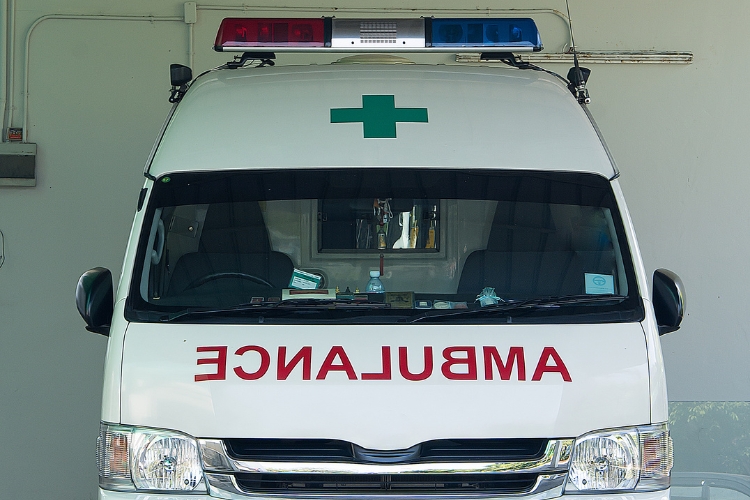
Comparison of Top Ambulance Services in the Region
| Service Provider | Coverage Areas | Response Time | Service Level | Special Features |
|---|---|---|---|---|
| Edhi Foundation | All areas | 10-15 mins | BLS/ALS | 24/7, Free service, Extensive network |
| Chippa Welfare | Urban areas | 8-12 mins | BLS/ALS | Modern fleet, GPS tracking |
| Private Hospital Networks | Hospital vicinity | 6-10 mins | ALS | Direct hospital admission |
| Rescue 1122 | Government coverage | 12-18 mins | BLS/ALS | Government-backed service |
| Private Commercial Services | Premium areas | 5-8 mins | ALS | Premium equipment, trained staff |
Technology Integration in Modern Ambulance Services
1. GPS Tracking and Dispatch Systems
Modern ambulance services utilize sophisticated dispatch systems that can:
- Automatically identify the closest available unit to an emergency
- Provide real-time traffic information to optimize response routes
- Allow family members to track ambulance location during transport
- Maintain detailed records of response times and service quality metrics
2. Telemedicine Capabilities
Some advanced ambulance services now offer telemedicine features that allow:
- Real-time consultation with emergency physicians during transport
- Transmission of vital signs and ECG data to receiving hospitals
- Video communication for complex medical decision-making
- Remote guidance for paramedics performing advanced procedures
3. Mobile Apps and Easy Access
Many ambulance services now offer mobile applications that provide:
- One-touch emergency calling with automatic location detection
- Service history and medical information storage
- Real-time service availability and estimated response times
- Direct communication with dispatch centers
Preparing for Medical Emergencies
1. Creating a Family Emergency Plan
- Emergency Contact Information: Maintain a current list of emergency contacts including preferred hospitals, family physicians, and insurance information.
- Medical Information Cards: Keep cards with important medical information for each family member, including allergies, current medications, and chronic conditions.
- Emergency Kit: Maintain a basic first aid kit and emergency supplies in your home and vehicles.
- Communication Plan: Ensure all family members know how to contact emergency services and what information to provide to dispatchers.
2. What Information to Provide When Calling for Ambulance Services
When calling for emergency medical services, be prepared to provide:
- Your exact location with landmarks, if street addresses are unclear
- The nature of the medical emergency
- The patient’s age and gender
- Current symptoms and their severity
- Whether the patient is conscious and breathing
- Any known allergies or medications
- Whether the scene is safe for responders
3. Training and Education Opportunities
Consider participating in community emergency response training programs that teach:
- Basic first aid and CPR techniques
- How to use Automated External Defibrillators (AEDs)
- Recognition of common medical emergencies
- Proper techniques for assisting emergency responders
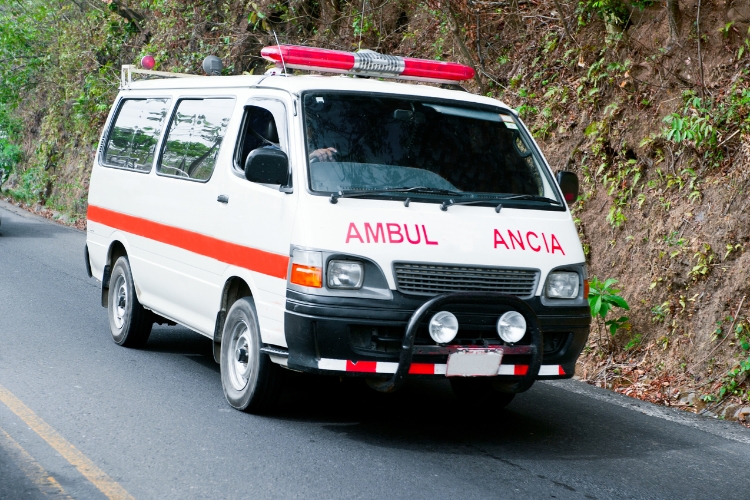

Future of Emergency Medical Services in the Region
1. Expanding Coverage and Improved Response Times
Emergency medical services in the Islamabad-Rawalpindi region continue to evolve with:
- Infrastructure Development: New hospitals and medical facilities are expanding coverage areas and reducing transport distances.
- Technology Integration: Advanced dispatch systems and GPS tracking are improving response coordination and reducing response times.
- Personnel Training: Ongoing education programs for EMTs and paramedics are elevating the standard of pre-hospital care.
- Equipment Modernization: Regular updates to medical equipment ensure ambulances maintain the latest capabilities for patient care.
2. Community Integration and Public Health Initiatives
Future developments in emergency medical services will likely include:
- Increased community education about recognizing medical emergencies
- Better integration with public health programs for disease prevention
- Enhanced coordination between different emergency response agencies
- Expanded telemedicine capabilities for remote consultation and guidance
Conclusion
Access to reliable, professional 24/7 ambulance services is essential for the safety and well-being of residents in Islamabad, Rawalpindi, Bahria Town, and Bani Gala. Understanding your options, knowing when to call for emergency medical services, and preparing your family for potential medical emergencies can make a crucial difference when every second counts.
The emergency medical services landscape in this region continues to improve through technological advancement, better training, and increased public awareness. By staying informed about available services and maintaining emergency preparedness, you can ensure that you and your loved ones have the best possible access to life-saving medical care when emergencies occur.
Remember that in any medical emergency, quick action and professional medical care can save lives. Don’t hesitate to call for ambulance services when faced with serious medical situations – the cost of emergency medical transport is insignificant compared to the value of preserving life and health.
Stay prepared, stay informed, and know that professional emergency medical services are standing ready to provide the critical care you may need, 24 hours a day, 365 days a year.