


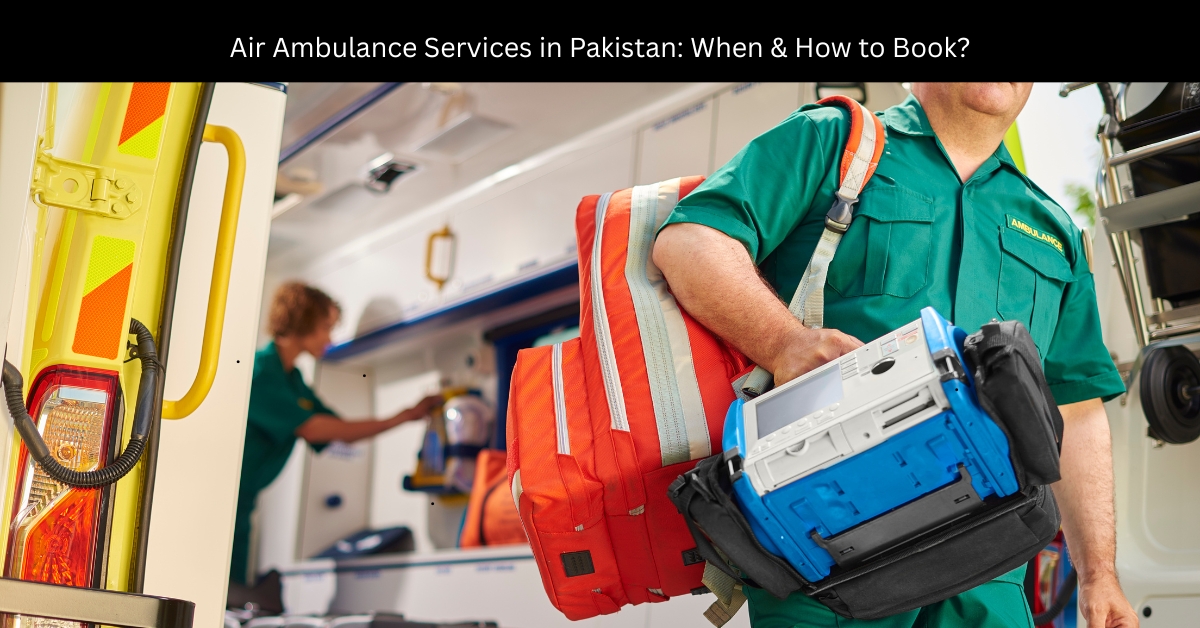
Air ambulance services in Pakistan have become a vital part of emergency healthcare, especially in remote or high-traffic regions where quick medical transport can save lives. Equipped with advanced life support systems and staffed by trained medical teams, these services are crucial during time-sensitive emergencies, inter-hospital transfers, and in areas with difficult terrain.
This article explains when air ambulances are needed, the types available, how to book them, cost factors, major providers, and what to expect during transport—all tailored to Pakistan’s unique medical and geographic challenges.
Key Takeaways!
| Key Point | Details |
|---|---|
| Purpose | Fast medical transport during emergencies, inter-hospital transfers, and remote access. |
| Types of Services | Helicopters (HEMS), fixed-wing aircraft, and advanced ground support. |
| Booking Process | Involves assessment, contacting service, medical coordination, and logistics. |
| Cost Range | PKR 500,000 to 15,000,000+ depending on distance and type of aircraft. |
| Insurance Coverage | Available through private, travel, employer-sponsored, and some government plans. |
| Major Providers | Private operators, hospital-based services, international medical evacuations. |
| Challenges | Weather, infrastructure limits, and regulatory hurdles. |
| Future Trends | More tech integration, expanded rural access, affordability programs. |
Understanding Air Ambulance Services in Pakistan
Air ambulance services represent a specialized form of emergency medical transport that utilizes aircraft—typically helicopters or fixed-wing planes—equipped with advanced life-support systems and staffed by trained medical personnel. In Pakistan’s diverse geographical landscape, these services bridge the gap between remote locations and advanced medical facilities, potentially saving countless lives.
1. The Current State of Air Medical Transport in Pakistan
Pakistan’s healthcare infrastructure faces unique challenges due to its varied topography, from the mountainous northern regions to densely populated urban centers. Traditional ground ambulances often struggle with traffic congestion in cities like Karachi, Lahore, and Islamabad, while remote areas may lack adequate road access altogether. Air ambulance services have evolved to address these critical gaps in emergency medical response.
The country’s air ambulance industry has grown significantly over the past decade, with both private operators and some government initiatives working to provide these essential services. However, awareness and accessibility remain ongoing challenges that this guide aims to address.

When Do You Need Air Ambulance Services?
Understanding when to consider air ambulance services can mean the difference between life and death. These services aren’t just for extreme emergencies—they serve various medical scenarios where time-sensitive transport is crucial.
1. Critical Medical Emergencies
Trauma and Accident Cases
- Severe road traffic accidents, especially on highways between cities
- Industrial accidents in remote locations
- Natural disaster victims requiring immediate evacuation
- Burns requiring specialized treatment at dedicated centers
Cardiac and Stroke Emergencies
- Heart attacks requiring immediate cardiac catheterization
- Stroke patients needing rapid access to neurological specialists
- Cases requiring time-sensitive procedures within the “golden hour”
Pediatric and Neonatal Emergencies
- Premature births in areas without NICU facilities
- Pediatric trauma cases requiring specialized children’s hospitals
- Congenital conditions needing immediate surgical intervention
2. Inter-Hospital Transfers
Air ambulances frequently facilitate transfers between hospitals, particularly when patients need specialized care unavailable at their current facility. This is especially common in Pakistan, where advanced medical specialties are concentrated in major cities.
Specialist Treatment Requirements
- Cancer patients needing specialized oncology centers
- Organ transplant candidates requiring immediate transport
- Complex surgical cases requiring specific expertise
- Patients needing advanced diagnostic procedures
3. Geographic and Logistical Considerations
Pakistan’s challenging geography makes air transport essential in certain scenarios:
Remote Area Access
- Mountain regions where road access is limited or dangerous
- Tribal areas with security concerns for ground transport
- Flood-affected regions during monsoon seasons
- Desert areas with long distances to medical facilities
Time-Critical Situations
- When ground transport would exceed critical time windows
- During heavy traffic or road blockages in urban areas
- Weather conditions making road travel dangerous
- Security situations requiring rapid evacuation
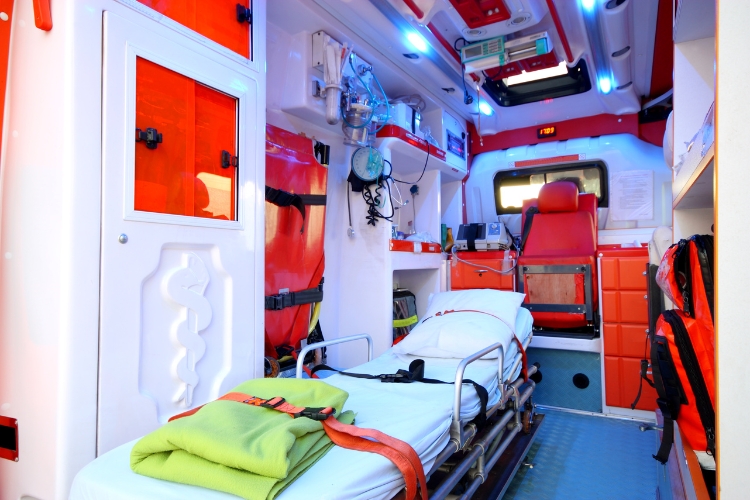
Types of Air Ambulance Services Available
Understanding the different types of air ambulance services helps in making informed decisions during emergencies.
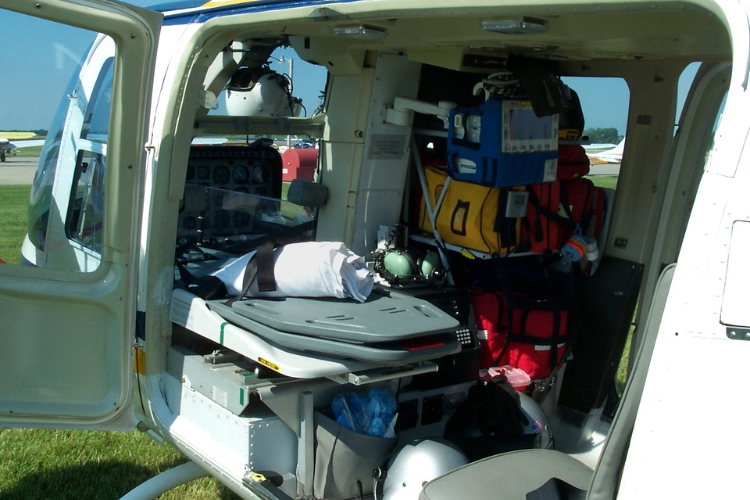
1. Helicopter Emergency Medical Services (HEMS)
Helicopters represent the most common form of air ambulance service in Pakistan, particularly suited for shorter distances and urban environments.
Advantages of Helicopter Services:
- Ability to land in small spaces near accident sites
- Quick response times for urban emergencies
- Excellent for inter-hospital transfers within cities
- Can access areas with limited landing space
Limitations:
- Weather-dependent operations
- Limited range compared to fixed-wing aircraft
- Higher operational costs for longer distances
- Night flying restrictions in some areas
2. Fixed-Wing Air Ambulances
Fixed-wing aircraft serve longer distances and provide more stable environments for critically ill patients.
When Fixed-Wing is Preferred:
- International medical evacuations
- Long-distance domestic transfers
- Patients requiring extended flight times
- Cases needing pressurized cabin environments
3. Ground-Based Critical Care Transport
While not technically air ambulances, advanced ground units often work in coordination with air services, providing comprehensive emergency medical systems.
Major Air Ambulance Providers in Pakistan
| Provider Type | Services Offered | Coverage Area | Contact Availability |
|---|---|---|---|
| Private Companies | Full-service medical flights | Nationwide | 24/7 Emergency hotlines |
| Hospital-Based | Inter-facility transfers | Regional | Business hours primarily |
| International Services | Cross-border evacuations | Global | 24/7 with advance arrangements |
| Emergency Services | Trauma response | Urban centers | Government emergency numbers |
1. Private Air Ambulance Companies
Several private companies operate air ambulance services across Pakistan, offering varying levels of service and equipment sophistication.
Service Features Typically Include:
- Advanced life support equipment
- Trained flight nurses and paramedics
- Coordination with receiving hospitals
- Insurance claim assistance
- Family support services
2. Hospital-Affiliated Services
Some major hospitals in Pakistan operate their own air ambulance services or have partnerships with aviation companies.
Benefits of Hospital-Based Services:
- Direct integration with hospital systems
- Streamlined admission processes
- Specialized equipment for specific conditions
- Established protocols with medical teams
3. International Medical Evacuation Services
For cases requiring treatment abroad or involving foreign nationals, international medical evacuation companies provide specialized services.
How to Book Air Ambulance Services: Step-by-Step Guide
Booking an air ambulance requires quick decision-making and proper coordination. Here’s a comprehensive guide to the process:
Step 1: Initial Assessment and Decision
Evaluate the Medical Situation:
- Assess the severity and time-sensitivity of the condition
- Determine if ground transport is viable
- Consider weather and logistical factors
- Consult with attending physicians when possible
Gather Essential Information:
- Patient’s medical condition and stability
- Current location and desired destination
- Weight and mobility status of patient
- Any special medical equipment needs
Step 2: Contacting Air Ambulance Services
Information to Have Ready:
- Patient demographics (name, age, weight)
- Medical diagnosis and current condition
- Medications and treatments currently being administered
- Pick-up and destination locations with exact coordinates
- Contact information for medical professionals involved
- Insurance information and ability to pay
Questions to Ask Service Providers:
- Aircraft availability and estimated response time
- Medical crew qualifications and equipment
- Total cost and payment options
- Weather contingencies and backup plans
- Ground transportation coordination
Step 3: Medical Coordination
Pre-Flight Medical Assessment:
- Flight nurse consultation via phone
- Review of medical records and current condition
- Determination of in-flight medical requirements
- Coordination with receiving hospital
Equipment and Staffing Preparation:
- Specialized medical equipment loading
- Assignment of appropriate medical crew
- Medication preparation for flight duration
- Communication setup with medical facilities
Step 4: Logistics and Documentation
Required Documentation:
- Patient identification documents
- Medical records and physician orders
- Insurance authorization forms
- Flight consent forms
- Next-of-kin contact information
Coordination Activities:
- Ground transportation to aircraft
- Airport or helipad clearances
- Receiving hospital notifications
- Family member communication
- Weather monitoring and flight planning

Cost Considerations and Insurance Coverage
Understanding the financial aspects of air ambulance services is crucial for families facing medical emergencies.
1. Typical Cost Structure
Air ambulance services involve several cost components that can vary significantly based on multiple factors.
Factors Affecting Cost:
- Distance of transport
- Type of aircraft used
- Medical crew requirements
- Equipment and medication needs
- Urgency and timing of service
- Landing fees and permits
Average Cost Ranges:
- Short-distance helicopter transport: PKR 500,000 – 1,500,000
- Long-distance fixed-wing transport: PKR 1,500,000 – 5,000,000
- International medical evacuation: PKR 5,000,000 – 15,000,000+
2. Insurance Coverage Options
Private Health Insurance:
- Review policy coverage for air ambulance services
- Understand pre-authorization requirements
- Check for network provider limitations
- Verify coverage for medical necessity criteria
Travel Insurance:
- Essential for tourists and business travelers
- Often includes medical evacuation coverage
- May have geographic and monetary limitations
- Requires prompt notification and approval
Employer-Sponsored Coverage:
- Some corporate packages include emergency evacuation
- Oil and gas companies often provide comprehensive coverage
- NGO and international organization policies
- Government employee benefits in some cases
Safety Standards and Regulations
Air ambulance operations in Pakistan must comply with various safety standards and regulatory requirements to ensure patient and crew safety.
1. Regulatory Framework
Civil Aviation Authority (CAA) Requirements:
- Aircraft certification and maintenance standards
- Pilot licensing and training requirements
- Medical crew qualifications
- Operational procedure approvals
Medical Standards:
- Equipment calibration and certification
- Medication storage and handling protocols
- Patient care standards during transport
- Communication system requirements
2. Quality Assurance Measures
Crew Training and Certification:
- Regular medical training updates
- Flight safety procedures
- Emergency response protocols
- Patient care skill maintenance
Equipment Standards:
- Regular calibration and testing
- Backup system requirements
- Communication equipment reliability
- Medical device certification

Challenges and Limitations
Understanding the limitations of air ambulance services helps set realistic expectations during emergencies.
1. Weather Dependencies
Pakistan’s diverse climate presents various challenges:
- Monsoon season limitations
- Mountain weather unpredictability
- Desert dust storm impacts
- Seasonal temperature extremes
2. Infrastructure Limitations
Landing Site Challenges:
- Limited helipad availability in remote areas
- Airport access restrictions
- Ground support equipment needs
- Fuel availability in remote locations
3. Regulatory and Bureaucratic Hurdles
Common Challenges:
- Permit processing delays
- Cross-border transportation complications
- Insurance authorization timeframes
- Communication coordination difficulties
Preparing for Air Ambulance Transport
Proper preparation can significantly improve the effectiveness of air ambulance services.
1. For Patients and Families
Personal Preparation:
- Keep important medical documents accessible
- Maintain updated emergency contact lists
- Understand insurance coverage details
- Have financial arrangements ready
Communication Planning:
- Designate family spokesperson
- Establish communication protocols
- Share contact information with service providers
- Plan for family member transportation
2. For Healthcare Providers
Medical Documentation:
- Complete medical history compilation
- Current medication and treatment records
- Diagnostic test results and imaging
- Physician orders and treatment plans
Coordination Responsibilities:
- Communication with receiving hospitals
- Medical crew briefings
- Equipment and medication preparation
- Family communication and support

Future of Air Ambulance Services in Pakistan
The air ambulance industry in Pakistan continues to evolve, with several trends shaping its future development.
1. Technological Advances
Equipment Improvements:
- Advanced monitoring systems
- Telemedicine capabilities
- Improved communication systems
- Enhanced safety technologies
Service Enhancement:
- GPS tracking and coordination
- Weather monitoring systems
- Electronic medical records integration
- Mobile application booking systems
2. Expansion and Accessibility
Geographic Coverage:
- Increased rural area access
- Regional hub development
- Cross-border service agreements
- Disaster response capabilities
Affordability Initiatives:
- Insurance coverage expansion
- Government subsidy programs
- Corporate partnership developments
- Payment plan options
Conclusion
Air ambulance services represent a vital lifeline in Pakistan’s healthcare system, bridging geographic and logistical gaps that can mean the difference between life and death. While these services come with significant costs and operational challenges, their importance in emergency medical care cannot be overstated.
Understanding when to use air ambulance services, how to access them, and what to expect during the process empowers patients, families, and healthcare providers to make informed decisions during critical moments. As Pakistan’s air ambulance industry continues to develop, improved accessibility, safety standards, and technological integration promise to enhance these essential services further.
The key to effectively utilizing air ambulance services lies in preparation, understanding, and working closely with qualified providers who prioritize patient care and safety. Whether facing a medical emergency in urban centers or remote locations, knowing how to access and coordinate air ambulance services can provide peace of mind and potentially life-saving transportation when every minute counts.
For anyone living in or traveling to Pakistan, familiarizing yourself with air ambulance services isn’t just about emergency preparedness—it’s about ensuring access to life-saving medical transport when traditional methods aren’t sufficient. The investment in understanding these services and their proper utilization can prove invaluable when facing medical emergencies that require rapid, specialized transportation to appropriate medical facilities.
FAQs
1. What is an air ambulance and when should it be used in Pakistan?
An air ambulance is a helicopter or plane equipped with medical equipment and staff to transport critically ill patients. In Pakistan, it’s used during road traffic accidents, cardiac emergencies, natural disasters, or when patients in remote areas need fast access to specialized hospitals.
2. How much does an air ambulance cost in Pakistan?
The cost varies based on distance, aircraft type, and medical needs. Short helicopter trips may cost around PKR 500,000–1.5 million, while long-distance or international fixed-wing transfers can go up to PKR 15 million or more.
3. How can I book an air ambulance in an emergency?
Start by assessing the patient’s condition and then contact a service provider. You’ll need to provide medical details, location, and insurance info. The provider coordinates with medical staff and hospitals, handles flight logistics, and arranges ground transfers.
4. Are air ambulance services covered by insurance in Pakistan?
Some private health, travel, or employer-sponsored insurance plans cover air ambulance costs. Always check for pre-approval requirements and confirm coverage for emergency transport services before relying on it.