


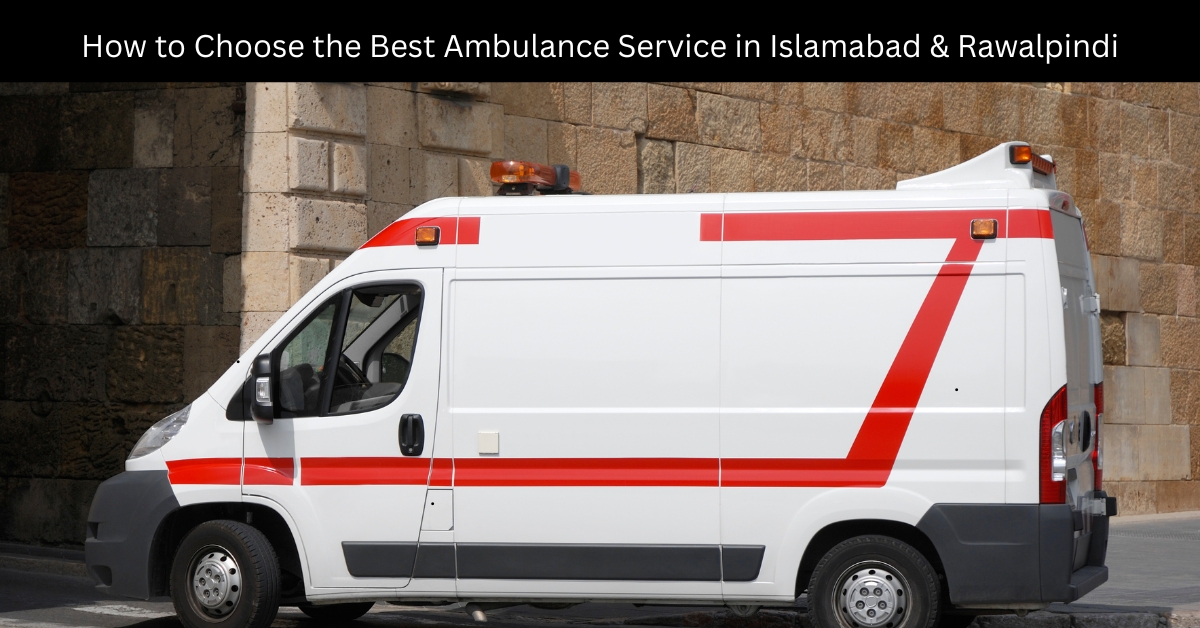
When medical emergencies strike, every second counts. In the twin cities of Islamabad and Rawalpindi, having access to reliable ambulance services can mean the difference between life and death. With the federal capital’s modern infrastructure and Rawalpindi’s bustling urban environment, the combined metropolitan area serves over 4.5 million residents who need dependable emergency medical services.
This comprehensive guide will help you navigate the complex landscape of emergency medical services in Islamabad and Rawalpindi, ensuring you make informed decisions when it matters most.
Key Takeaways!
| Aspect | Details |
|---|---|
| Service Types | Government (Rescue 1122), Private (basic to premium), Hospital-based, Inter-city, and Diplomatic services. |
| Coverage Area | Some services cover both cities; others are city-specific. Dual-city coverage is essential for inter-city transport needs. |
| Response Time | Varies by area: 5–15 minutes. Islamabad has faster average response due to better infrastructure. |
| Medical Equipment | Basic to Advanced Life Support (ALS) available. Premium and ALS ambulances come with ventilators, cardiac monitors, and GPS tracking. |
| Staff Training | Certified EMTs and paramedics. Multilingual staff are available with many services, especially in diplomatic areas. |
| Licensing & Accreditation | Verify licenses from federal and provincial authorities for dual-city services. |
| Costs | Rescue 1122 is free. Private services range from PKR 4,000–25,000, depending on the service type and equipment. |
| Red Flags | Avoid unlicensed operators, services with poor route knowledge, and those lacking modern communication systems. |
| Emergency Preparedness | Have a family emergency plan, contact list, and medical records ready. Know ambulance services in both cities beforehand. |
Understanding the Emergency Medical Landscape in Islamabad & Rawalpindi
The twin cities of Islamabad and Rawalpindi present a unique emergency medical services environment. Islamabad, as Pakistan’s federal capital, boasts modern infrastructure and well-planned sectors, while Rawalpindi maintains its traditional urban layout with narrow streets and dense commercial areas.
This geographical contrast creates distinct challenges for ambulance services. In Islamabad’s organized sectors, ambulances can navigate efficiently using the numbered street system. However, Rawalpindi’s older neighborhoods often require local knowledge and alternative routing strategies during emergencies.
The emergency medical services sector in both cities has evolved significantly since the establishment of Rescue 1122 in Punjab. Federal government presence in Islamabad has attracted numerous private healthcare providers, creating a competitive environment that benefits residents through improved service quality and accessibility.
Understanding your options before an emergency occurs is essential, particularly given the unique characteristics of each city. Research shows that pre-planned emergency responses result in faster medical intervention and better patient outcomes, especially important when navigating between the twin cities or accessing specialized facilities.
Types of Ambulance Services Available in Islamabad & Rawalpindi
Government Emergency Services
Rescue 1122 operates extensively throughout both Islamabad and Rawalpindi, providing free emergency medical services across the twin cities. The service maintains multiple stations strategically located to ensure optimal coverage of both urban areas.
In Islamabad, Rescue 1122 benefits from the city’s planned infrastructure, often achieving faster response times compared to other Pakistani cities. The service operates from stations in major sectors including Blue Area, G-Sectors, and F-Sectors, ensuring comprehensive coverage of the federal capital.
Rawalpindi’s Rescue 1122 operations face more complex challenges due to the city’s traditional street layout. However, their extensive local knowledge and established networks help maintain effective emergency response capabilities throughout the district.
1. Private Ambulance Services
The twin cities host numerous private ambulance operators offering services ranging from basic patient transport to advanced life support units. Competition among private providers has driven innovation and service quality improvements.
Many private services specialize in inter-city transport between Islamabad and Rawalpindi, recognizing the frequent need for patients to access specialized facilities in either city. Some focus on specific medical conditions such as cardiac emergencies or dialysis patient transport.
Premium private services often cater to Islamabad’s diplomatic community and affluent residents, offering international-standard emergency medical care with multilingual staff and advanced equipment.
2. Hospital-Based Ambulance Services
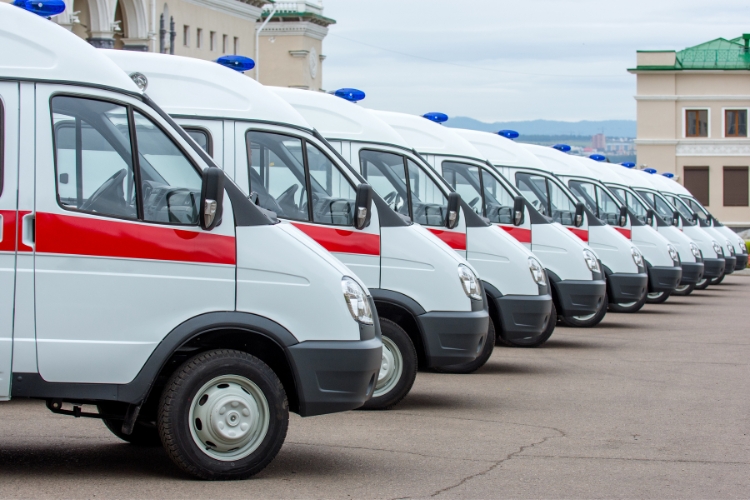
Major hospitals in both cities operate dedicated ambulance fleets. In Islamabad, facilities like Pakistan Institute of Medical Sciences (PIMS), Shifa International Hospital, and Maroof International Hospital maintain comprehensive emergency transport services.
Rawalpindi’s prominent hospitals including Armed Forces Institute of Cardiology (AFIC), Benazir Bhutto Hospital, and Holy Family Hospital operate ambulance services primarily for their patients but sometimes serve the broader community.
Military hospitals in both cities, including Combined Military Hospital (CMH) Rawalpindi and PAF Hospital Islamabad, maintain high-standard ambulance services, though these are typically restricted to military personnel and their families.
Key Factors to Consider When Choosing an Ambulance Service
1. Response Time and Availability
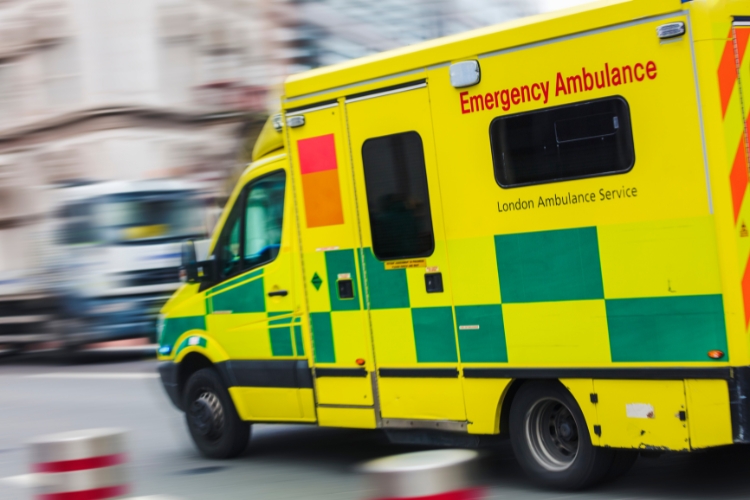
Response time varies significantly between Islamabad and Rawalpindi due to infrastructure differences. Islamabad’s planned road network typically enables faster ambulance movement, while Rawalpindi’s congested areas may experience delays.
Peak traffic hours affect both cities but in different ways. Islamabad’s main bottlenecks occur along Expressway connections and major intersections, while Rawalpindi faces challenges in traditional bazaar areas and narrow residential streets.
When evaluating services, consider their response time commitments for your specific location. Some providers maintain better coverage in certain sectors of Islamabad or specific areas of Rawalpindi based on strategic ambulance positioning.
24/7 availability remains crucial, particularly given the twin cities’ role as a major metropolitan area with continuous activity. Verify that chosen services maintain adequate staffing during all hours, including government holidays and security-related restrictions.
2. Medical Equipment and Technology
Modern ambulances serving the twin cities should meet international standards, particularly given Islamabad’s status as the federal capital. Essential equipment includes cardiac monitors, defibrillators, oxygen delivery systems, spinal immobilization devices, and temperature-controlled medication storage.
Advanced Life Support (ALS) ambulances are increasingly available in both cities, offering sophisticated care options including ventilators, advanced cardiac monitoring, and comprehensive emergency medication protocols.
GPS tracking systems prove particularly valuable in the twin cities, where ambulances frequently travel between Islamabad and Rawalpindi. Real-time tracking helps optimize routing and provides families with accurate arrival estimates.
Communication systems must handle the unique challenges of serving both cities, including coordination with hospitals in either location and navigation of different administrative jurisdictions.
3. Staff Qualifications and Training
Emergency Medical Technicians (EMTs) and paramedics in the twin cities should hold certifications from recognized Pakistani institutions. Given Islamabad’s international community, many services employ staff with additional international certifications.
Language capabilities are particularly important in this diverse metropolitan area. Staff should communicate effectively in Urdu, English, and Punjabi, with some services offering additional languages for the diplomatic community.
Continuous training becomes essential given the variety of medical facilities and protocols across both cities. Staff must understand procedures at different hospitals and navigate between various healthcare systems.
4. Coverage Area and Network
Understanding coverage areas is crucial since many residents live in one city but work in the other. Comprehensive services should provide seamless coverage across both Islamabad and Rawalpindi without additional charges or delays.
Network partnerships with hospitals in both cities significantly impact emergency care quality. Services with established relationships at major facilities in both locations provide smoother transitions and better continuity of care.
Inter-city transport capabilities are essential, given the frequent need to access specialized facilities. Some medical specialties are concentrated in specific hospitals, requiring transport between cities.
Evaluating Ambulance Service Quality
1. Licensing and Accreditation
Legitimate ambulance services must hold proper licenses from both federal and provincial authorities, given the dual administrative structure of the twin cities. Islamabad services require federal territory licensing, while Rawalpindi services need Punjab health authority approval.
Services operating across both cities must maintain dual licensing, which indicates higher operational standards and regulatory compliance. This dual licensing requirement often results in better service quality and accountability.
Insurance coverage becomes more complex in the twin cities due to varying jurisdictions. Ensure chosen services maintain adequate liability coverage for operations in both areas.
2. Reputation and Reviews
Online reviews for twin cities services should be evaluated separately for each location, as service quality may vary between Islamabad and Rawalpindi operations. Check location-specific feedback on Google, Facebook, and healthcare forums.
Healthcare professional recommendations carry particular weight in this area, where medical communities in both cities often interact. Doctors and nurses at major hospitals frequently have experience with multiple ambulance services.
Diplomatic community feedback provides unique insights into service quality, as international residents often have higher expectations and experience with global standards.
3. Cost and Payment Options
Pricing structures may vary between cities, with Islamabad services sometimes charging premium rates due to higher operational costs. Understand whether services charge differently for inter-city transport or emergency calls originating in different areas.
Insurance compatibility varies significantly, with some policies covering services in federal territory (Islamabad) differently than Punjab province services. Verify coverage details with both your insurance provider and potential ambulance services.
Payment flexibility, including international payment methods for diplomatic personnel, may be available from premium services in the twin cities area.

Red Flags to Avoid
1. Unlicensed Operators
Given the complex regulatory environment of the twin cities, unlicensed operators may attempt to exploit jurisdictional confusion. Always verify licensing status with both federal and provincial authorities as applicable.
Services that cannot provide clear documentation of their authorization to operate in both cities should be avoided, particularly for inter-city transport needs.
2. Poor Geographic Knowledge
Ambulance services unfamiliar with both cities’ layouts pose significant risks. Services should demonstrate knowledge of major landmarks, hospital locations, and alternative routes in both Islamabad and Rawalpindi.
Inadequate understanding of traffic patterns, security protocols, or administrative boundaries indicates potential service delivery problems during actual emergencies.
3. Inadequate Communication Systems
Services that cannot effectively coordinate between cities or communicate with hospitals in both locations may create dangerous delays during emergencies.
Making the Right Choice: A Comparison Framework
| Service Type | Coverage Area | Average Response Time | Cost Range | Equipment Level | Best For |
|---|---|---|---|---|---|
| Rescue 1122 | Both cities | 7-12 minutes | Free | Basic Life Support | General emergencies, trauma |
| Private Premium | Both cities | 5-10 minutes | PKR 8,000-20,000 | Advanced Life Support | Critical care, international patients |
| Hospital-Based | City-specific | 10-15 minutes | PKR 4,000-12,000 | Variable | Specialized conditions |
| Inter-city Specialists | Both cities | 8-15 minutes | PKR 6,000-15,000 | Basic to Advanced | Transport between cities |
| Diplomatic Services | Islamabad focus | 5-8 minutes | PKR 10,000-25,000 | Advanced Life Support | International community |
Preparing for Emergency Situations
1. Creating an Emergency Action Plan
Develop a comprehensive family emergency plan that accounts for the twin cities’ unique characteristics. Include primary and backup ambulance services familiar with both cities, and ensure all family members understand activation procedures.
Consider different scenarios such as emergencies occurring in Islamabad versus Rawalpindi, and plan for potential inter-city transport needs. Some medical specialties may only be available in specific locations.
Maintain updated emergency contact lists including services operating in both cities, family doctors, and major hospitals in both locations. Store this information in easily accessible formats and ensure multiple family members have copies.
2. Essential Information to Keep Ready
Medical history summaries become more important in the twin cities environment, where you may be transported to unfamiliar hospitals. Include current medications, allergies, chronic conditions, and emergency contacts.
Location details should account for both cities’ addressing systems. Islamabad’s sector-based system differs significantly from Rawalpindi’s traditional addressing, so prepare location descriptions using landmarks familiar to emergency responders in each city.
Insurance information should specify coverage areas, as some policies treat federal territory and provincial services differently. Maintain documentation showing coverage validity in both jurisdictions.
Technology and Modern Ambulance Services
1. Mobile Applications and Digital Platforms
Several ambulance services in the twin cities now offer mobile applications designed for the area’s unique geography. These apps often include features for specifying which city you’re in and preferred hospital destinations.
GPS integration proves particularly valuable for services operating across both cities, helping optimize routing between different areas and providing real-time location sharing with family members.
Digital platforms may include integration with major hospitals in both cities, enabling seamless information sharing and care coordination across different healthcare systems.
2. Communication Systems
Advanced communication systems help coordinate complex emergency responses that may involve facilities in both cities. This coordination ensures appropriate hospital selection and resource allocation.
Telemedicine capabilities allow ambulance staff to consult with specialists at various hospitals throughout the twin cities, improving treatment decisions during transport.
Real-time family notifications become especially important when transport may occur between cities, helping family members track patient location and coordinate care activities.
Special Considerations for Different Medical Conditions
1. Cardiac Emergencies
Cardiac care facilities are distributed across both cities, with some specializing in different aspects of heart care. Choose services familiar with cardiac catheterization labs and specialized cardiac centers in both locations.
Response time for cardiac emergencies may depend on which city you’re in and where the nearest appropriate facility is located. Some patients may require inter-city transport for optimal care.
2. Specialized Medical Care
Certain medical specialties are concentrated in specific hospitals within the twin cities. Oncology services, neurosurgery, and other specialties may require transport to particular facilities regardless of proximity.
Services familiar with specialized care networks across both cities provide better outcomes for complex medical conditions requiring specific expertise or equipment.
3. Pediatric Emergencies
Children’s emergency care facilities exist in both cities, but specialized pediatric services may be concentrated in certain hospitals. Choose services with pediatric training and knowledge of appropriate facilities.
Family-friendly policies allowing parent accompaniment during inter-city transport help reduce trauma associated with emergency medical care for children.
Building Relationships with Emergency Services
Community Engagement
Quality ambulance services in the twin cities often engage with expatriate communities, diplomatic missions, and local neighborhoods through health education and safety programs. Participating helps evaluate service quality while building relationships.
Regular interaction with emergency service personnel helps them understand your family’s specific needs and the unique challenges of your location within the twin cities area.
Feedback and Continuous Improvement
Providing feedback helps services improve their twin cities operations and better understand the unique challenges of serving this metropolitan area. Share experiences about inter-city transport, hospital coordination, and service quality.
Regular service evaluations ensure your chosen provider continues meeting your family’s needs as the twin cities continue developing and changing.
Conclusion: Making an Informed Decision for Twin Cities Living
Choosing the best ambulance service for Islamabad and Rawalpindi requires understanding the unique characteristics of both cities and how emergency services navigate between them. The decision should consider response times in both locations, inter-city transport capabilities, hospital networks, and staff familiarity with both urban environments.
Remember that the best ambulance service for twin cities residents is one that provides seamless coverage across both areas while maintaining appropriate medical care levels and reasonable costs. Don’t wait for an emergency to research these critical services – establish relationships with quality providers now.
Consider maintaining relationships with services that excel in different aspects: perhaps one for rapid response within your city and another for specialized inter-city transport. The twin cities’ unique geography and medical infrastructure create opportunities for optimized emergency care when properly planned.
The investment in research and preparation pays dividends when emergencies occur and you need reliable, efficient transport between cities or to specialized facilities. Take action today to ensure your family has access to quality emergency medical services throughout the Islamabad-Rawalpindi metropolitan area.
By following this comprehensive guide, twin cities families can make informed decisions about emergency medical services, ensuring access to appropriate care regardless of which city an emergency occurs in or where specialized treatment may be required.
FAQs
1. What is the fastest ambulance service in Islamabad and Rawalpindi?
Rescue 1122 is the quickest government option, with response times around 7–12 minutes. Some private premium services can respond within 5–10 minutes, especially in Islamabad sectors with better road networks.
2. Are ambulance services in Islamabad and Rawalpindi available 24/7?
Yes, both Rescue 1122 and most private ambulance providers operate round-the-clock. Always confirm 24/7 availability before choosing a provider, especially for inter-city or specialized transport needs.
3. How much does a private ambulance cost in the twin cities?
Costs vary widely: basic services start at PKR 4,000, while advanced life support units with ventilators or ICU setups can charge up to PKR 25,000, especially for long-distance or inter-city transfers.
4. What should I prepare before calling an ambulance?
Keep a list of emergency contacts, your exact address (including nearby landmarks), a brief medical history, current medications, and insurance details. This helps paramedics respond efficiently and provide accurate care.